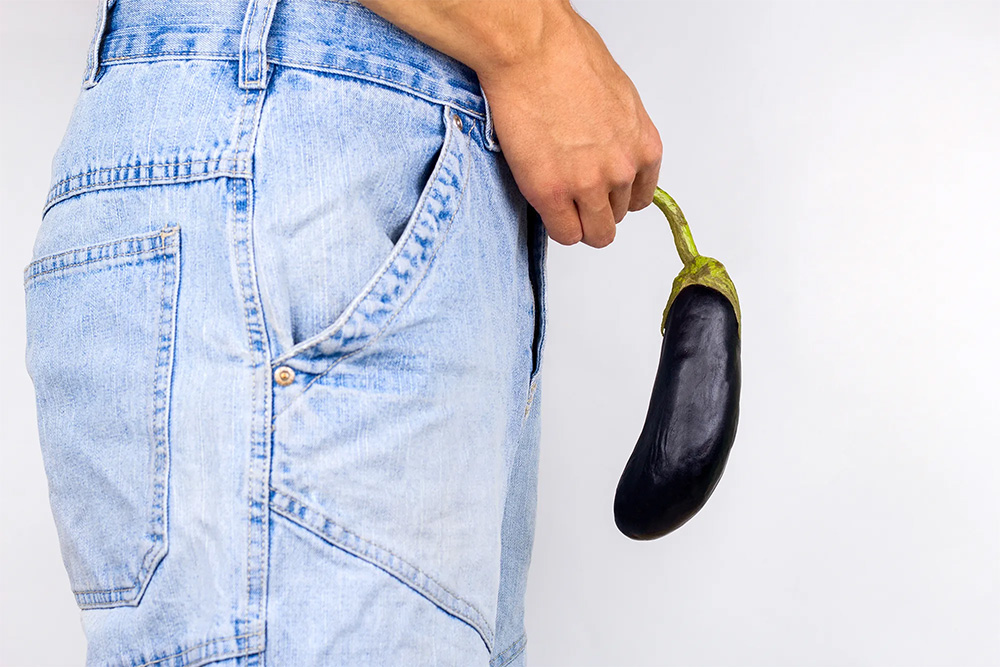
Erectile Dysfunction: Causes, Risk Factors & Treatment Options
- Jump to a Section:
Erectile dysfunction (ED), a condition that makes it difficult to achieve or maintain an erection, is more common than many men realize. Despite affecting millions of men annually, as many as 75% never discuss their experience with healthcare providers or partners.
The silence surrounding ED can create additional stress and anxiety, potentially worsening the condition and straining relationships. If you're experiencing ED, understanding the underlying factors is an important first step. This article explores the various causes of erectile dysfunction and when to consider seeking professional guidance.
What Is Erectile Dysfunction?
Erectile dysfunction is a medical condition characterized by difficulty achieving or maintaining an erection sufficient for sexual activity. This can occur even when sexual desire is present, potentially impacting both sexual satisfaction and mental well-being.
In some cases, erectile dysfunction may be temporary, potentially linked to medication side effects, stress, anxiety, or other temporary factors. In other situations, it may be a persistent condition that benefits from professional evaluation.
ED can affect men at any age, though prevalence increases with age, particularly between 40 and 70 years old. A 2017 study of 3,921 Canadian men between ages 40 and 88 found that 49.4% experienced some degree of erectile dysfunction.
Understanding the Contributing Factors
Multiple factors can influence erectile function, including both physical and psychological elements. For some men, psychological factors play a significant role. For others, physical conditions or medications may contribute. Often, it's a combination of factors.
Understanding these potential contributors can help facilitate productive conversations with healthcare providers.
Physical Factors
Several physical conditions and factors may be associated with erectile dysfunction:
- Obesity
- Cardiovascular conditions
- High blood pressure
- Diabetes
- High cholesterol
- Conditions affecting circulation
- Injury to the genital area
- Pelvic floor muscle dysfunction (weakness or tension)
Important note: Having one or more of these conditions does not guarantee the development of erectile dysfunction. However, discussing your complete medical history with a healthcare provider can help identify potential contributing factors.
Psychological Factors
Mental and emotional factors can significantly impact erectile function:
- Anxiety
- Depression
- Chronic stress
- Relationship difficulties
- Trust issues in relationships
- Guilt or shame related to sexuality
- Low self-esteem
- Low self-confidence
- Unrealistic expectations about sexual performance
- History of trauma
Men with anxiety disorders, depression, or other mental health conditions may be more susceptible to developing ED. Unfortunately, experiencing ED can worsen anxiety, creating a cyclical pattern.
Relationship dynamics also play an important role. Trust issues, communication problems, or unresolved conflicts can all impact sexual function. Additionally, a lack of comprehensive sex education may contribute to unrealistic expectations that create performance pressure.
Why Erectile Dysfunction Occurs
Erectile dysfunction can stem from psychological factors, physical causes, or most commonly, a combination of both. The specific contributors vary from person to person, which is why individualized assessment by a healthcare provider is valuable.
What works for one person may not be appropriate for another. Some men find that addressing mental health concerns like stress, anxiety, or depression leads to improvement. Others benefit from working with healthcare providers who prescribe ED treatment. Physical health modifications like diet and exercise may also play a role.
When to Seek Professional Help
Seeking evaluation for ED can feel uncomfortable, and you might be tempted to manage the situation independently. However, avoiding professional guidance can actually increase stress levels, contribute to anxiety, and potentially worsen the condition.
Consider discussing your concerns with a healthcare provider, whether that's your primary care physician, a urologist, or a men's health specialist. Phoenix offers confidential online assessments specifically focused on men's health concerns like this.
Lifestyle Modifications That Support Sexual Health
In addition to professional evaluation, certain lifestyle modifications may support overall sexual health. Keep in mind that a comprehensive approach often works best, and it may take some time to determine what's most beneficial for you.
Psychosexual Therapy
Psychosexual therapy involves working with a licensed therapist who specializes in sexual health. These professionals are trained to help clients navigate complex feelings around sexuality in a safe, nonjudgmental environment.
They can help you address emotions and thoughts that may be impacting sexual function, including fear, guilt, shame, or performance anxiety. This type of therapy can be particularly valuable when psychological factors play a significant role.
Reduce or Eliminate Substance Use
Alcohol, recreational drugs (such as cocaine), and tobacco use can all negatively impact erectile function. Certain substances constrict blood vessels, which can interfere with normal physiological processes. The mental effects of psychoactive substances may also play a role.
Maintain a Balanced Diet
A nutritious diet rich in whole grains, fruits, and vegetables supports overall health, including circulatory health. Consider limiting:
- High-sugar foods
- Excessive red meat consumption
- Highly processed foods
- Refined grains
A balanced, nutrient-dense diet can improve circulation and support mental health, energy levels, and general well-being.
Exercise Regularly
Physical activity offers multiple benefits for sexual health. Pelvic floor exercises, in particular, can help strengthen and relax muscles in this important area. General cardiovascular exercise, including walking, running, swimming, or high-intensity interval training, supports blood flow and overall well-being.
Regular physical activity also provides mental health benefits, including stress reduction and improved mood, which can positively influence sexual function.
Reducing Your Risk
While erectile dysfunction isn't always preventable, certain lifestyle choices may reduce risk:
Moderate alcohol consumption: Limit both the amount and frequency of alcohol intake. Many people are now exploring non-alcoholic alternatives that allow for social participation without potential negative effects.
Quit smoking: Research indicates that men who smoke are twice as likely to experience erectile dysfunction compared to non-smokers. Smoking affects blood vessel health and circulation throughout the body.
Stay physically active: Regular exercise supports both physical and mental health, which are both important for sexual function.
Address health concerns promptly: Don't delay seeking medical attention for health concerns. Early intervention for various health conditions may help prevent secondary complications, including sexual health issues.
Prioritize mental health: Address stress, anxiety, depression, and relationship concerns with appropriate support, whether through therapy, counseling, or medical care.
Consider ED treatment options: A licensed provider can evaluate your health and prescribe ED treatments, making sure it’s right for you.
Moving Forward
Erectile dysfunction is a common medical condition that many men experience. Understanding the various contributing factors, from physical health conditions to psychological elements, is an important step in addressing concerns.
At Phoenix, we provide confidential online assessments for men's health concerns. Our licensed healthcare providers can evaluate your individual situation and discuss ED treatment options that may be appropriate for you.
If you're experiencing erectile difficulties, remember that healthcare providers are there to help. What may feel like temporary embarrassment in seeking help is far better than ongoing distress.
References

Recommended Articles

Preserving Muscle While Losing Weight on GLP-1
Learn how Canadian men can protect lean muscle on GLP-1 treatment using protein targets and resistance training.

Body Changes After Stopping Weight Loss Treatment
Find out how hunger, weight, and cardiometabolic health shift after stopping weight loss treatment in Canada. August 2026.
When to take Ozempic: how to pick the right time for you
Ozempic can be taken any time of day, but the right time depends on your schedule, side effects, and routine. Here's how to find what works. - Sep 2026