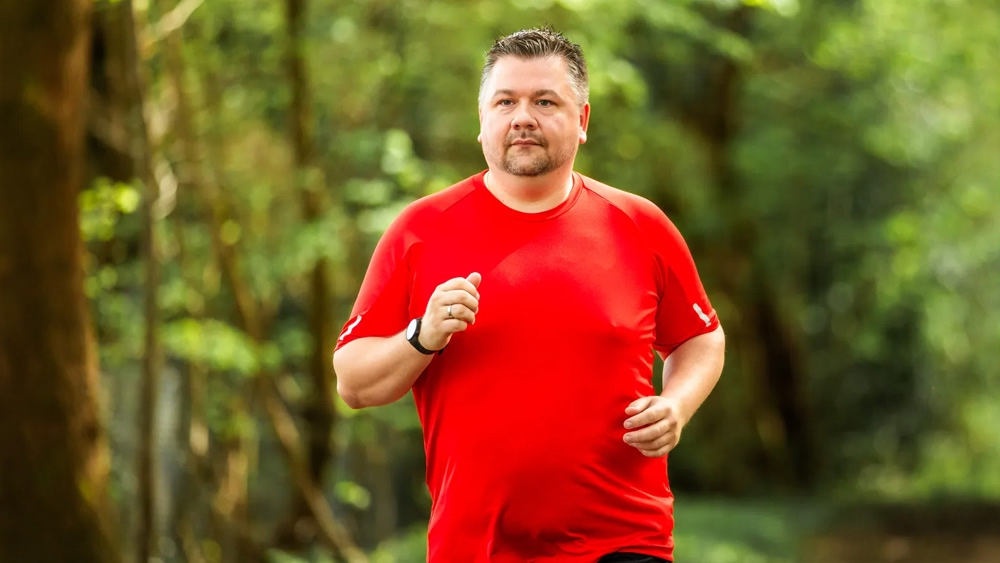
Does being overweight lower testosterone?
- Jump to a Section:
How excess body fat lowers testosterone
Excess body fat lowers testosterone through a real biological process. Here's how it works.
Fat stored around your organs (called visceral fat) contains an enzyme called aromatase. This enzyme converts testosterone into estrogen. The more visceral fat you carry, the more testosterone gets converted. Waist size is actually a stronger predictor of low testosterone than overall body weight.
Body fat isn't just stored energy. It acts like a hormone-producing organ. Research shows that fat tissue is the main source of estrogen production in men, especially as weight goes up. The fat you can see and pinch isn't the main problem. It's the deeper fat around your organs that does the most hormonal damage.
The numbers back this up. According to Harvard Men's Health Watch (March 2011), a four-inch increase in waist size raises the odds of low testosterone by 75 percent. That means it's not just about how much you weigh. It's about where you carry the weight. Two men at the same weight can have very different hormone levels depending on their fat distribution.
This is a medical issue that needs to be addressed. Lower testosterone makes it harder to keep muscle and easier to gain fat, which speeds up hormone conversion even more. The cycle feeds itself. Understanding how it works is the first step toward stopping it.
Low testosterone symptoms linked to weight gain
This cycle often shows up as a mix of fatigue, muscle loss, and mood changes that go beyond normal aging. Here's a quick self-check:
- Constant tiredness that rest doesn't fix. Not just feeling sleepy after a long day. This is an ongoing lack of energy that makes everyday tasks feel harder than they should.
- Losing muscle or strength for no clear reason. Workouts that used to feel normal now feel much harder. You may be losing strength even though you're still training.
- Mood changes , like irritability or low motivation. You might feel more on edge, less driven, or like you're running on a lower gear than usual.
- More belly fat. Your waistline may be growing even if your diet and activity haven't changed much. This is both a cause and a result of dropping testosterone.
- Poor sleep. Sleep problems and hormonal issues often overlap, making it hard to tell which came first without a professional assessment.
- Lower sex drive or erectile dysfunction . In younger men especially, these can point to hormonal changes tied to weight gain rather than aging.
If several of these apply to you, it's worth getting a lab test and professional assessment . A licensed healthcare provider can figure out whether a hormonal imbalance is part of the picture and can connect you with strategies for losing weight.
How losing weight increases testosterone
When you lose visceral fat, aromatase activity drops. That means less testosterone gets converted to estrogen, and your levels can start to recover. Research shows a two-way relationship between body fat and hormones. Losing weight helps raise testosterone, and higher testosterone makes it easier to keep the weight off.
The hard part is getting started. Low testosterone drains your energy, motivation, and ability to build muscle. That makes weight loss harder. And the extra body fat keeps pushing testosterone lower. It's a catch-22 that often needs medical support to break.
The good news: weight loss does increase testosterone in men carrying extra weight. You don't need to reach a perfect number on the scale. Even steady, modest weight loss can make a real difference in hormone balance.
A licensed healthcare provider can look at the full picture through blood work and a clinical assessment. Everyone's starting point is different. Some men do well with changes to diet and exercise alone. Others may need additional support to get the process moving.
This is a medical pattern, not a personal failure. Breaking the cycle often means working on weight and hormones at the same time. Professional guidance can help figure out whether lifestyle changes are enough or if treatment support is needed. The goal is to get your body working with you, not against you.
How medical weight loss can help break the cycle
For men who need more than lifestyle changes alone, medical weight loss treatment through a men's online health clinic can offer structured support. These clinics connect you with a licensed healthcare provider who can assess your health history, review blood work, and determine whether prescription treatment for weight management is appropriate. The process is done online, which removes common barriers like long wait times, in-person appointments, and the discomfort of discussing weight and hormonal concerns face to face.
If a prescription is appropriate, treatment is delivered discreetly to your door. This model makes it easier to stay consistent with a weight management plan, especially for men dealing with the low energy and motivation that come with hormonal imbalance. Having ongoing access to a licensed healthcare provider also means your progress can be monitored and your plan adjusted over time.
FAQs
How does being overweight affect testosterone?
Excess body fat creates a feedback loop. Fat tissue converts testosterone to estrogen through the aromatase enzyme. This promotes more fat storage and lowers energy, making weight loss harder. The relationship goes both ways: weight gain lowers testosterone, and low testosterone makes weight gain more likely.
Does losing weight increase testosterone?
Yes. Sustained weight loss is linked to higher total and free testosterone in men. Losing fat around the waist reduces aromatase activity, which helps hormone levels stabilize. The more visceral fat you lose, the bigger the improvement tends to be.
What is the main cause of low testosterone in overweight men?
The main driver is visceral fat (the fat around your organs). This fat contains the enzyme aromatase , which turns testosterone into estrogen. That lowers your available testosterone and creates a cycle where hormonal imbalance leads to even more weight gain. The process is most active in belly fat.
Can belly fat cause high estrogen in men?
Yes. Fat tissue is a major source of estrogen in men. As belly fat grows, more testosterone gets converted to estrogen. This shift can affect your energy, mood, muscle mass, and metabolism.
How do I know if my weight gain is hormonal?
Common signs include fatigue, trouble building muscle, low sex drive, and weight gain around the midsection. A licensed healthcare provider can confirm this through blood work and a full assessment. If these symptoms don't improve with rest or lifestyle changes, hormones may be playing a role.
Medically reviewed by

References
- Harvard Health Publishing. Obesity: Unhealthy and unmanly. Harvard Men's Health Watch. March 2011. Harvard Health article on obesity and men's health
- Hammes SR, Levin ER. Impact of estrogens in males and androgens in females. J Clin Invest. 2019;129(5):1818–1826. Journal of Clinical Investigation sex hormone review
- Columbia University Department of Psychiatry. How testosterone changes affect men's health as you age. Columbia Doctors article on testosterone and aging
- Aubert H. Low testosterone in young men. Howard Aubert, MD. 2025. Dr. Howard Aubert article on low testosterone
- Ng Tang Fui M, Dupuis P, Grossmann M. Lowered testosterone in male obesity: mechanisms, morbidity and management. Asian J Androl. 2014;16(2):223–231. Asian Journal of Andrology testosterone and obesity review
- Fernandez CJ, Chacko EC, Pappachan JM. Male obesity-related secondary hypogonadism – pathophysiology, clinical implications and management. Int J Obes. 2024. International Journal of Obesity hypogonadism review

Recommended Articles

Does Minoxidil Cause Weight Gain in Men?
Oral minoxidil and weight gain: it's fluid, not fat. Learn why it happens and how a provider can help you manage it. August 2026.

Tirzepatide vs Semaglutide: What to Know
Understand how tirzepatide and semaglutide work, how Health Canada reviewed each, and what providers consider before prescribing either.
Last Longer in Bed: What Actually Works
Learn proven ways to last longer in bed in September 2026, from stop-start training and pelvic floor exercises to lifestyle changes.