Body Changes After Stopping Weight Loss Treatment
- Jump to a Section:
If you're thinking about stopping weight loss treatment or already have, the appetite changes that follow aren't random. The body is doing exactly what its hormones are wired to do once the support is gone. Understanding that shift is the first step to getting ahead of it.
TLDR:
- Stopping weight loss treatment removes hormonal support, causing hunger and cravings to return within days to weeks.
- A 2026 BMJ review found people who stop treatment typically regain lost weight within an average of 1.7 years.
- Blood sugar, blood pressure, and cholesterol tend to worsen alongside weight regain, a pattern reported in STEP 1 and SURMOUNT-4 trial follow-up data.
- Obesity Canada classifies obesity as a chronic condition requiring ongoing management, not a one-time fix.
- Phoenix is a Canadian men's digital health service connecting patients with licensed healthcare providers for weight management support.
What Weight Loss Treatment Is Actually Doing in Your Body
Prescription weight loss treatment works by changing the signals the body sends between the gut and the brain. It slows how fast food moves through the stomach, so fullness lasts longer after eating, and it acts on the appetite centres in the brain to quiet hunger cues.
None of this happens through willpower. It happens through hormonal signaling, the chemical messages the gut and brain exchange to control when and how much is eaten. Treatment keeps fullness signals higher and hunger signals lower than the body would produce on its own. Once that support is removed, the system tends to return to its earlier pattern.
What Happens in the Days After You Stop
In the first few days after stopping, the changes are subtle at first. Nausea or stomach discomfort that some people may have felt during treatment usually fades quickly, since digestion returns to its normal pace.
Meals that once felt satisfying start feeling smaller. Some people may finish a plate and still want more, since the fullness signal treatment was reinforcing starts to weaken. Cravings, especially for foods avoided while on treatment, tend to resurface around this time too.
For many people, this builds gradually over roughly one to two weeks, as appetite regulation shifts and the body's own hunger and fullness signals take back over.
Why Hunger Comes Back So Strongly
Hunger returning is not a failure of discipline. It's a hormonal response the body produces on its own. Treatment also quiets what many people call food noise, the constant mental pull toward food and cravings, so that background pull returns too once support ends.
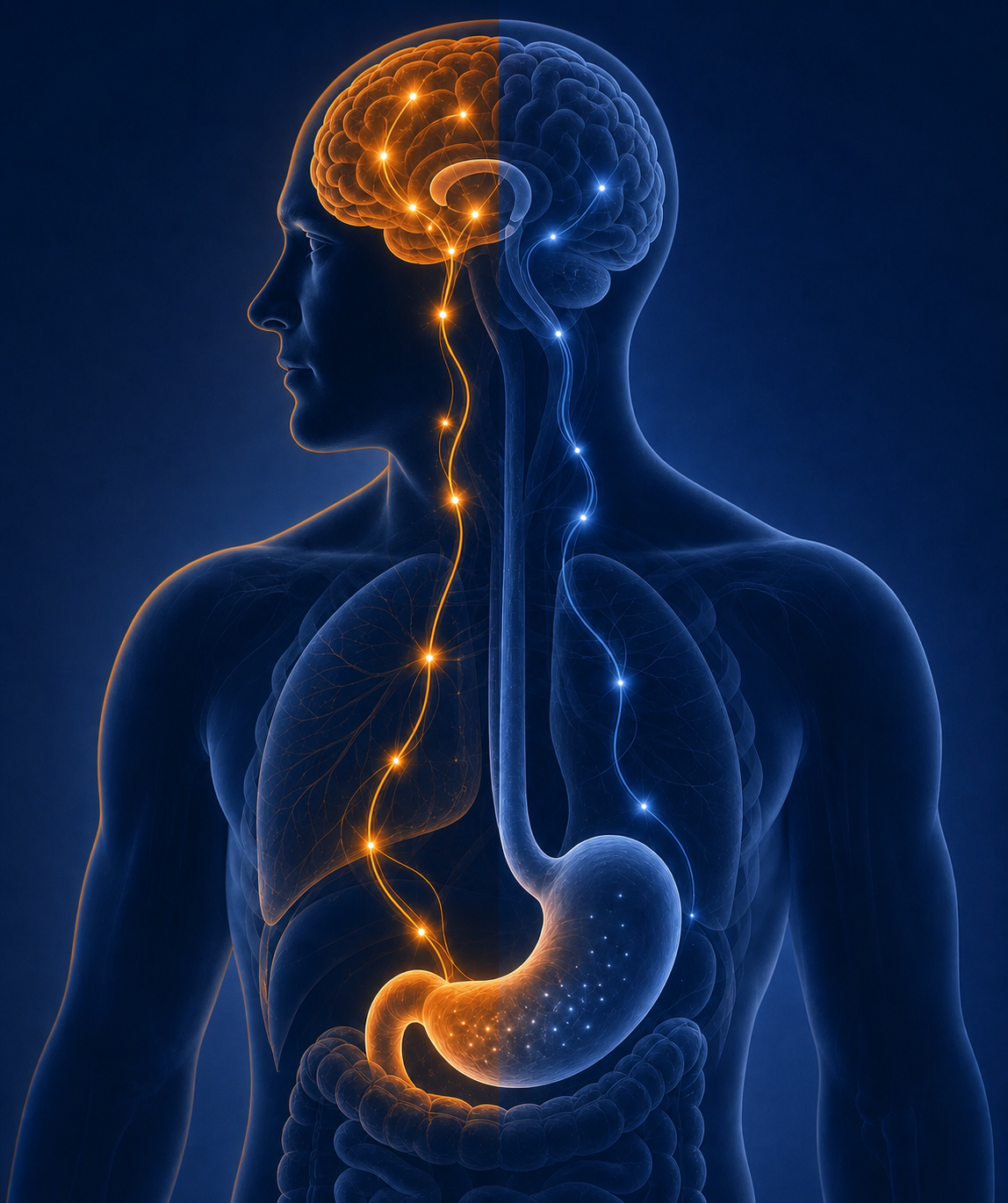
A 2011 study published in the New England Journal of Medicine found that ghrelin, the hunger hormone, stayed raised, while leptin, the fullness hormone, stayed suppressed a year later.
Higher ghrelin drives more frequent hunger; lower leptin means fullness signals arrive later and fade faster. This hormonal cycle is central to yo-yo dieting in men. Treatment had helped override both signals, so stopping it removes that support, leaving the body wired to eat more than it did before.
How Quickly Weight Can Return
The timeline for weight regain varies from person to person, but research gives a general picture of how it unfolds.
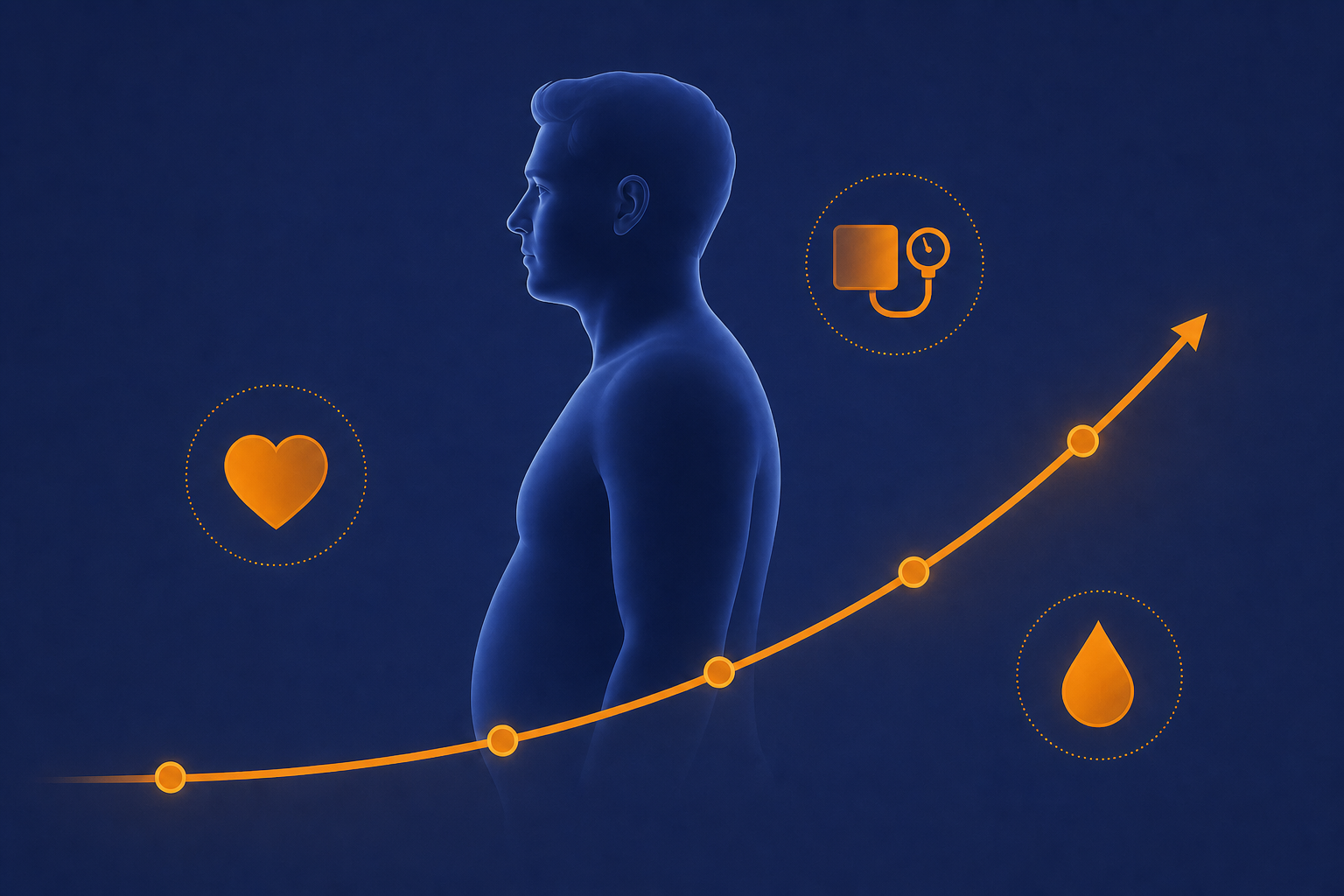
A STEP 1 trial extension found that participants regained an average of two-thirds of their prior weight loss within a year of stopping treatment. A post hoc analysis of the SURMOUNT-4 trial found a similar pattern: 82.5% of participants who had lost at least 10% of body weight during treatment regained a quarter or more of that loss within 52 weeks of stopping.
Weight regain does not always look the same as the weight that was lost. Fat tends to return before muscle mass does, so body composition can shift even when the number on the scale looks similar to before treatment. Resting metabolism also tends to run slower after a cycle of loss and regain than it did at the original starting weight, a pattern often called metabolic adaptation. That lower baseline makes managing weight after stopping harder, since the body is working from a smaller calorie budget than it had before treatment began.
This does not mean everyone follows the same path. Some regain faster, some slower, and some keep off a portion of their progress much longer. Genetics, treatment duration, and the habits built along the way all shape an individual's timeline, much like the dynamics behind weight-loss plateaus.
What Happens to Cardiometabolic Health Markers
Weight regain is only part of the story. The STEP 1 trial extension (Diabetes, Obesity and Metabolism, 2022) tracked participants after stopping treatment and found the pattern extended beyond the scale, with cardiometabolic health markers shifting in ways that go beyond what the number on the scale reflects.
In that trial, participants saw blood sugar control worsen, blood pressure climb back up, and cholesterol levels shift in the wrong direction after withdrawal. Those risks are compounded for Canadian men by conditions like obesity and sleep apnea. The same data suggests these markers tend to move in step with weight regain rather than trailing it.
Blood sugar, blood pressure, and cholesterol tend to track weight fairly closely, so when weight returns, those numbers often follow. The benefits of treatment extend past appearance and into markers your provider watches for long-term risk.
Obesity as a Chronic Condition, Not a Short-Term Fix
Obesity Canada classifies obesity as a chronic disease, one that requires ongoing management similar to diabetes or heart disease, which is why medically supervised weight loss in Canada is increasingly the recommended approach and not a one-time fix that resolves once treated. That framing matters. Antibiotics cure an infection and stop. Obesity treatment manages a condition that persists even after symptoms, in this case excess weight, improve. The 2025 Obesity Canada Pharmacotherapy Clinical Practice Guidelines recommend that obesity treatment be used long term, when effective, specifically to avoid weight regain and the regression of health benefits achieved during treatment.
This explains why so many people feel caught off guard by regain. If treatment felt like a temporary fix, stopping once you hit a goal number seems logical. But the biological drivers behind weight were never resolved, just managed, and they resurface once support ends.
The comparison to other chronic diseases holds up. Nobody expects blood pressure treatment to cure hypertension permanently once numbers improve, and diabetes management does not stop once blood sugar stabilizes. Obesity follows the same pattern: treating it well typically means adjusting the plan over time, not dropping it once early goals are met.
Reasons People Stop Treatment and Whether They Are Medically Valid
Reasons for stopping weight loss treatment usually make sense on the surface, even when the reasoning behind them does not always hold up.
A large cohort study tracking patients starting weight loss treatment found that just over half had stopped within the first year, most commonly because of cost or side effects like nausea. The reasons below are common ones, and each carries a different level of medical urgency around how to handle it.
None of these reasons are wrong to have. What matters is whether the decision happens with medical input or without it.
How to Stop Safely: What a Planned Transition Looks Like
A planned transition starts with a conversation, not a stop date chosen independently, and following a GLP-1 lifestyle guide can help frame that discussion. Talk with your provider about timing, since stopping right after a dose increase behaves differently than stopping after months at a steady dose.
A medically guided plan typically includes:
- A check-in on why you want to stop, so your provider can flag alternatives you may not have considered
- A timeline that may involve gradually spacing out doses instead of stopping all at once
- Monitoring weight, appetite, blood pressure, and blood sugar over the following weeks
- A follow-up appointment scheduled in advance, not left to "see how it goes"
Stopping without any of this raises the risk of rapid rebound, since appetite and hunger hormones shift without anything cushioning the change. A plan will not stop biology, but it helps catch problems early before regain accelerates.
Strategies That Help Preserve Weight Loss After Stopping
No single habit replaces the hormonal effect of treatment, but a few strategies consistently support weight maintenance after stopping.
- Strength training during weight loss: Preserving muscle mass protects metabolic rate, which tends to slow as weight drops.
- Protein intake per day to preserve muscle: Higher protein meals support fullness signals and help offset the hunger increase after stopping.
- Sleep and weight gain in men: Poor sleep disrupts ghrelin and leptin, the same hunger and fullness hormones affected by treatment withdrawal, making cravings harder to manage.
- Structured eating patterns: Regular meal timing reduces the grazing and impulse eating that creeps in when fullness cues weaken.
- Physical activity: Movement supports weight maintenance and the cardiometabolic markers that shift after stopping.
These strategies narrow the biological gap left behind. They rarely close it on their own.
The Mental Health Side of Weight Regain
Weight regain after stopping treatment often comes with more than physical changes. Many people feel disappointed, frustrated, or even ashamed when the number on the scale starts climbing again, and those reactions are common, not a sign of personal failure. The biology behind hunger and fat storage does not care about willpower, but the emotional weight of watching progress slip can make it harder to get back to structured eating, exercise, or medical follow-up. That hesitation can turn into a cycle where regain accelerates while re-engagement stalls. If regain is affecting your mood, motivation, or how you see yourself, that is worth raising with your provider alongside the physical markers they are already tracking.
When Restarting Treatment May Be the Right Call
Restarting treatment after a break is a normal part of managing a chronic condition, not a sign that the first attempt failed. If regain has picked up speed or your cardiometabolic markers have started drifting the wrong way, that is worth bringing to a provider and not something to wait out.
A few situations are worth a direct conversation about restarting:
- Weight has climbed back toward the pre-treatment starting point within months of stopping
- Blood pressure, blood sugar, or cholesterol have shifted since your last check
- Hunger and cravings have become difficult to manage through diet and activity alone
- The original reason for stopping, such as cost or side effects, has changed
Re-initiation is a clinical decision. A provider can review your history on treatment, including how you responded and tolerated it, before restarting at an appropriate dose. There is no fixed number of attempts that signals failure. Obesity is managed over years, and adjusting the plan is part of that management, not a departure from it.
Phoenix is a Canadian men's digital health service that connects patients with licensed healthcare providers for weight management support.
Final Thoughts on the Biology Behind Stopping Weight Loss Treatment
The hunger and fullness signals that return after stopping treatment are not a sign of weakness. They are a documented hormonal response. Understanding that pattern makes it easier to prepare for it and work with your provider on what comes next. Whether that means a gradual taper, closer monitoring, or revisiting treatment later, having a plan in place matters more than the stopping date itself.
FAQ
What happens when you stop weight loss medication in Canada: will the weight come back?
For most people, yes. Research shows that the hormonal signals driving hunger and fat storage return to pre-treatment levels after stopping, and as research cited above shows, lost weight returns within an average of 1.7 years. How quickly this happens varies by individual, but the biological drivers do not resolve on their own.
Should I stop weight loss treatment once I hit my goal weight?
Reaching a target weight does not mean the underlying condition is resolved. Obesity is classified as a chronic disease by Obesity Canada, similar to hypertension or diabetes. Stopping without a plan at that point is one of the most common paths to regain, so the timing and approach are worth discussing with a licensed healthcare provider before making the decision.
How do I stop weight loss treatment safely in Canada without rapid rebound?
A planned transition starts with a provider conversation, not a self-selected stop date. A medically guided approach typically involves reviewing why you want to stop, potentially spacing out doses gradually, and scheduling a follow-up to monitor weight, blood pressure, and blood sugar in the weeks that follow.
Can you manage hunger and weight after stopping prescription weight loss treatment using diet and exercise alone?
Resistance training, higher protein intake, consistent sleep, and structured meal timing all help narrow the gap, but the 2011 NEJM ghrelin and leptin findings make clear that these habits rarely fully offset the hormonal changes (raised ghrelin and suppressed leptin) that return after stopping prescription weight loss treatment. They work best as part of a broader plan that includes provider oversight.
When does restarting weight loss treatment make sense after a break?
Restarting is worth discussing with a licensed healthcare provider if weight has climbed back toward the pre-treatment starting point within months of stopping, or if blood pressure, blood sugar, or cholesterol have shifted since the last check. Obesity is managed over years, and adjusting the plan (including re-initiating treatment) is a normal part of that process, not a sign that an earlier attempt failed.

Recommended Articles

Ozempic Online in Canada: What to Know in 2026
Order Ozempic online in Canada through a licensed healthcare provider. See pricing for brand and generic semaglutide, and how the assessment works.

What Makes GLP-1 Different for Men
GLP-1 treatment works differently in men. Key factors like muscle loss, side effects, and Canadian access options explained.

Online Weight Loss Programs in Canada: What to Know Before You Start
Considering an online weight loss program in Canada? Learn how medical weight management works, eligibility, costs, safety and what to look for.