
Fat Loss Peptides Explained for Canadian Men
- Jump to a Section:
Fat loss peptides have come up more in health conversations recently, and the science behind them is worth understanding before you write them off or jump in. These compounds work through several overlapping pathways in the body, and appetite suppression is only part of the picture. Getting the full picture first makes it a lot easier to figure out whether this is a path worth considering with your healthcare provider.
TLDR:
- Fat loss peptides work through 4 overlapping pathways: slower digestion, appetite signalling, blood sugar regulation, and energy use.
- Muscle loss is a known concern during weight loss treatment; strength training and adequate protein help protect lean tissue.
- Common side effects include nausea, vomiting, and digestive changes, typically strongest early in treatment or after dose adjustments.
- Serious risks include pancreatitis and a boxed warning for thyroid C-cell tumours; a licensed healthcare provider reviews your history before any treatment.
- Men's online health clinics in Canada offer the same clinical assessment as in-person visits, with treatment shipped from a licensed Canadian pharmacy if approved.
What Are Fat Loss Peptides?
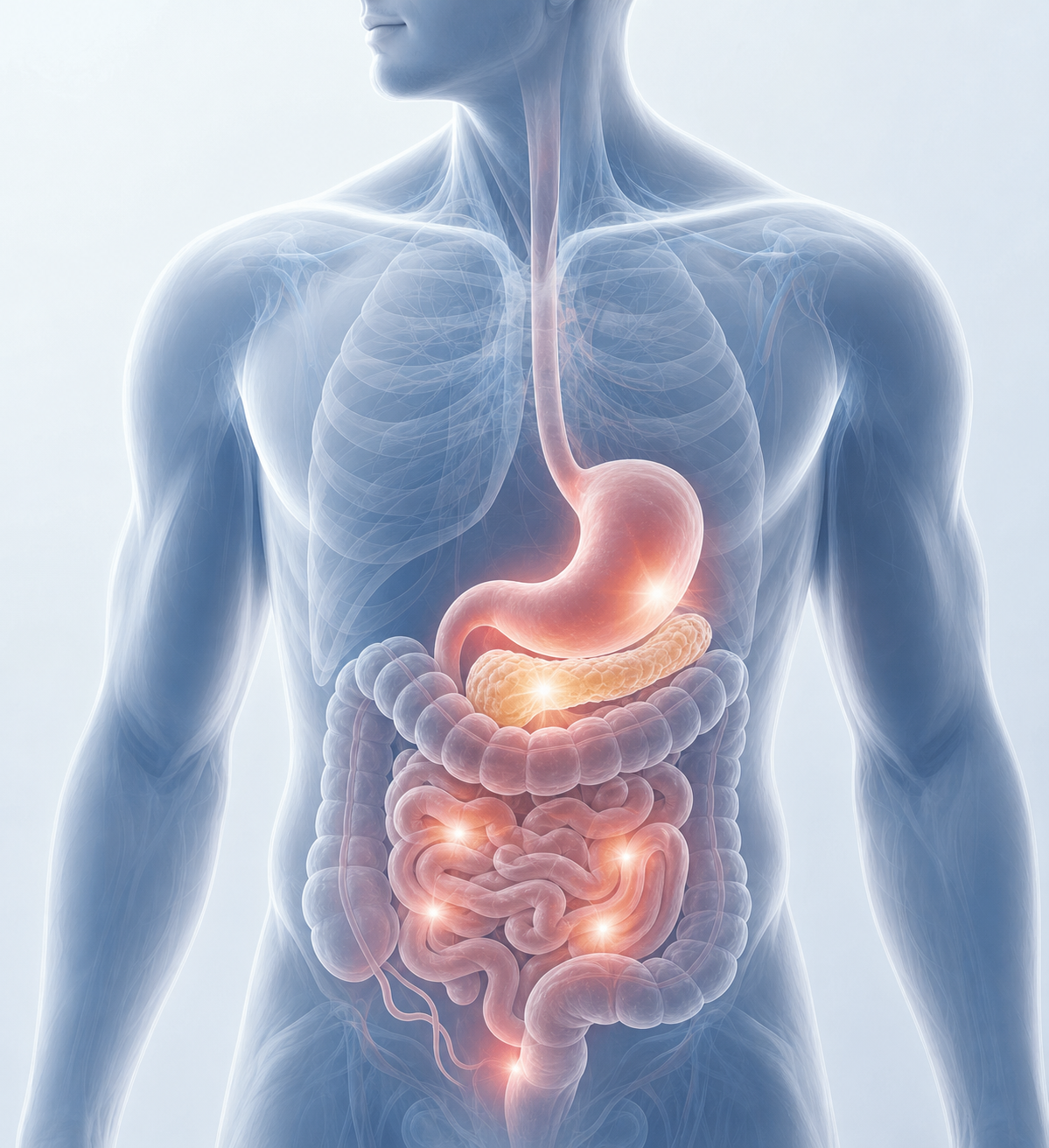
Peptides are short chains of amino acids, the same building blocks that make up proteins, but smaller and more targeted in function. Inside the body, they act as messengers, signaling cells to release hormones, steady metabolism, or send appetite signals to the brain. Some peptides occur naturally, produced by the body's own glands and organs. Others are made in a lab to mimic or strengthen those signals.
When people search for a fat loss peptide, they usually picture one specific product. In reality, the term covers a wide range of compounds, from prescription treatments studied for weight management to wellness compounds sold online without the same testing.
A peptide's source, manufacturing process, and clinical testing history all affect what it does in the body and how safe it is to use.
How Fat Loss Peptides Work in the Body
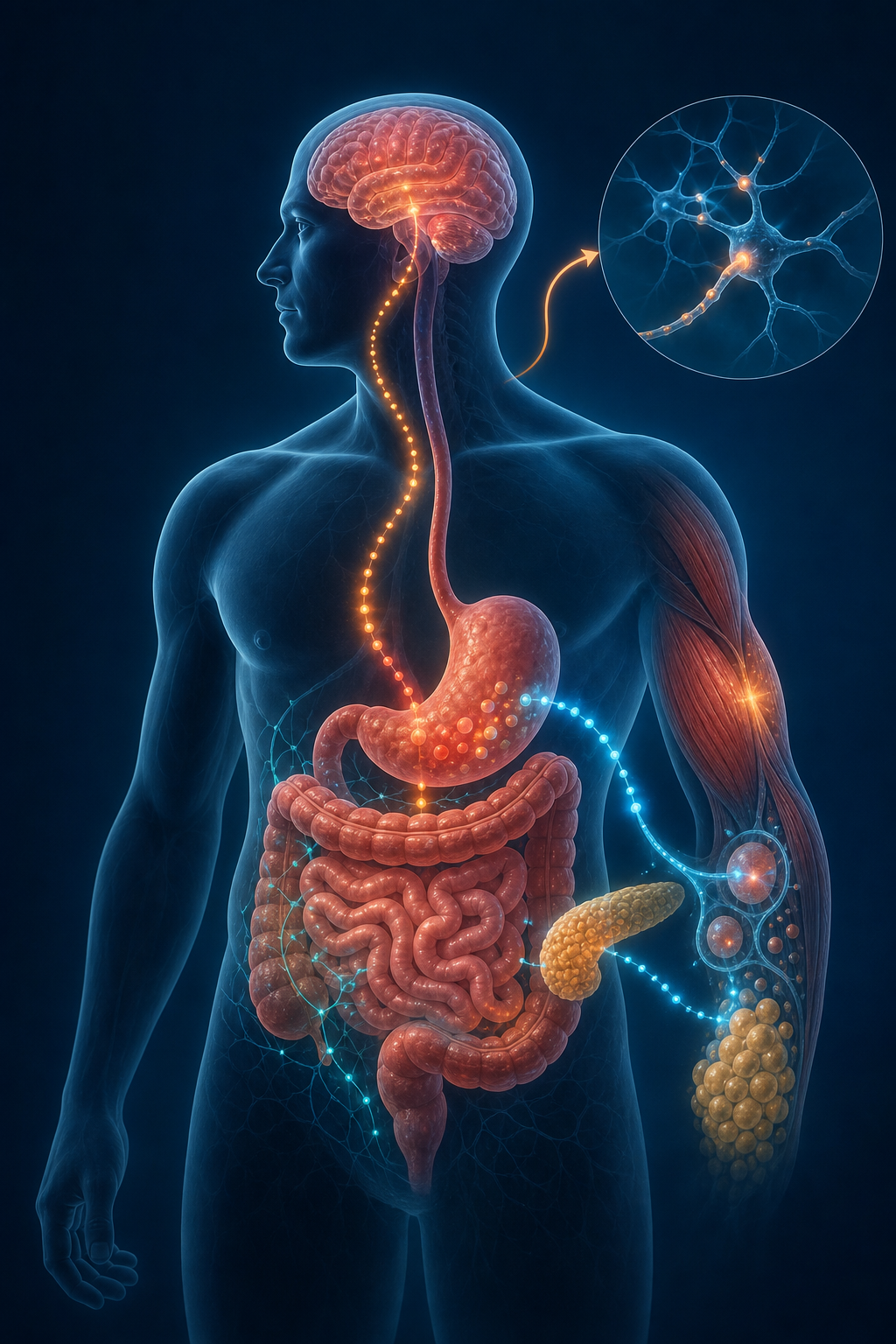
Weight loss peptides work through several overlapping pathways in the body, which helps explain why appetite changes are only part of the picture.
- Slower digestion: food leaves the stomach at a reduced rate, so you feel full longer after eating.
- Appetite signaling: these peptides act on brain receptors that govern hunger, which can reduce how much you want to eat.
- Blood sugar regulation: some peptides help the body manage insulin response, keeping blood sugar steadier after meals.
- Energy use: certain peptides may also influence how the body processes and burns stored energy.
These mechanisms overlap. Slower digestion supports steadier blood sugar, and steadier blood sugar tends to reduce cravings, which is why peptides for weight loss and peptides for fat burning get discussed together. How strongly each pathway shows up varies from person to person, which is why a licensed healthcare provider needs to review a patient's health history before recommending any treatment.
Health Canada-Approved Peptides for Weight Loss
Health Canada has approved a small number of prescription treatments in this category, and the distinction matters. Approved treatments have gone through rigorous clinical review, which means their safety profile, appropriate use cases, and known risks are documented and overseen by a federal regulator. That process is what separates them from the large number of peptide products sold online without the same scrutiny.
The approved options currently available in Canada include two classes of prescription weight loss treatments, and both work through the overlapping pathways described above. One class targets an additional hormone pathway beyond GLP-1. Clinical reviews of approved weight loss treatments point to evidence of their effectiveness for weight management across multiple randomized controlled trials. All of these treatments require a prescription from a licensed healthcare provider, which means no approved option can be purchased without a prior clinical assessment.
Oral formats also exist within the approved category, giving people who prefer not to use injections an alternative that a licensed healthcare provider can assess for suitability. As with injectable formats, oral options carry the same requirement for a provider review before treatment begins. A licensed healthcare provider can walk you through which format and treatment type fits your health history and goals.
Retatrutide and the Next Generation of Weight Loss Peptides
Researchers are studying it because it targets three separate receptor pathways at once, a design sometimes called a triple agonist. By engaging three separate receptor pathways together, the aim is to investigate whether a broader multi-pathway approach produces meaningfully different results than single or dual-pathway treatments.
Early-phase clinical data on retatrutide has attracted attention in the research community. The regulatory review process requires evidence from large, controlled trials before any new compound reaches patients, and that process is ongoing for compounds in this class.
For Canadian men exploring weight loss treatment, only Health Canada-approved options are available through licensed healthcare providers. If next-generation compounds like retatrutide complete their clinical trials and receive regulatory approval in the future, they would follow the same prescription pathway as existing treatments, requiring a clinical assessment before any provider could prescribe them.
Peptides for Fat Loss and Muscle Preservation
A common question about fat loss peptides is whether they trim fat while keeping muscle intact. These treatments lower overall body weight, and some of that weight can come from lean tissue instead of fat. This distinction matters more to men focused on strength than to men focused only on the scale.
Muscle loss during weight loss treatment is a known concern, not a rare side effect. When calorie intake drops, the body pulls energy from wherever it can, and muscle is not automatically spared. Research on preserving muscle during weight loss shows that adequate protein intake and resistance exercise are the two most effective countermeasures.
Two habits help protect muscle during treatment:
- Strength training during medical weight loss: resistance exercise signals your body to hold onto muscle during a calorie deficit.
- Adequate protein: understanding daily protein intake for weight loss without losing muscle helps your body maintain lean tissue instead of breaking it down.
A licensed healthcare provider can help build a plan that supports both fat loss and muscle preservation.
Grey Market and Over-the-Counter Peptides: What You Need to Know
Not every peptide product sold online has gone through Health Canada's approval process, and that gap matters more than most buyers realize. Grey market peptides, meaning compounds sold without a Drug Identification Number (DIN) or Natural Product Number (NPN), have not been reviewed for safety, purity, or consistent dosing by a federal regulator. That means no independent body has confirmed what's actually in the vial, whether the listed concentration is accurate, or how the product behaves in the body over time. Contamination, mislabelled doses, and untested additives have been cited as potential concerns with unregulated peptide products, and none of those risks appear on the label.
Over-the-counter peptide supplements sit in a similar grey zone. Even when marketed for weight management or fat burning, they are not subject to the same clinical testing requirements as prescription treatments. The safest way to know whether a peptide treatment is what it claims to be is to confirm it has Health Canada approval and requires a prescription, which means a licensed healthcare provider reviewed its evidence before it reached any patient.
Side Effects and Safety Considerations
Prescription weight loss treatments in this category carry a known side effect profile, and most of it shows up in the digestive system. Nausea, vomiting, diarrhea, and constipation are the most commonly reported effects. These tend to be strongest early in treatment or after a dose adjustment. For a detailed breakdown, see this weight loss treatment side effects guide, and they ease for many people as the body adjusts.
| Frequency | Side Effect | When It Typically Occurs | What to Do |
|---|---|---|---|
| Common | Nausea | Early in treatment or after a dose increase | Usually eases as the body adjusts; report if persistent |
| Common | Vomiting | Early in treatment or after a dose increase | Usually eases as the body adjusts; report if persistent |
| Common | Diarrhea | Early in treatment or after a dose increase | Usually eases as the body adjusts; stay hydrated |
| Common | Constipation | Early in treatment or after a dose increase | Usually eases as the body adjusts; stay hydrated |
| Less common | Pancreatitis | Can occur at any point during treatment | Seek prompt medical attention for severe abdominal pain |
| Boxed warning | Thyroid C-cell tumours | Risk identified in animal studies | Not recommended for anyone with a personal or family history of certain thyroid cancers |
The table above outlines the full side effect profile, including guidance on the two more serious risks covered in the bottom rows.
Other groups who should avoid this treatment class without direct provider guidance include people with a history of pancreatitis, pregnant or breastfeeding women, and anyone with a known allergy to the treatment's ingredients. A licensed healthcare provider reviews a patient's full medical history before recommending treatment, weighing these risks against their health goals.
How to Get a Fat Loss Peptide Prescription in Canada
Getting a prescription for a weight loss peptide in Canada always starts with a clinical assessment. A licensed healthcare provider reviews the patient's health history, current medications, and weight management goals before deciding whether treatment is appropriate. No online questionnaire replaces this step, and no provider can guarantee a prescription before that review happens.
The process typically works like this:
- Health history review: you share details about existing conditions, allergies, and medications you currently take.
- Provider assessment: a licensed healthcare provider makes an independent, clinical decision about whether treatment is appropriate for you.
- Ongoing check-ins: your provider monitors how you respond and adjusts the plan as needed.
Medically supervised weight loss in Canada offers this same assessment without requiring an in-person visit. You complete a secure questionnaire, a licensed Canadian provider reviews it, and treatment ships from a licensed pharmacy if approved. This route follows the same regulatory standards as any in-person clinic, and it is worth reviewing what to know about online weight loss programs in Canada before starting, which matters given how many peptide products sold online skip that oversight altogether.
How Men's Online Health Clinics in Canada Provide Access to Weight Loss Treatment
Men's online health clinics in Canada follow a consistent process for weight loss treatment. It starts with a secure online health assessment covering your medical history, current medications, and weight goals, with no waiting rooms or in-person visits needed.
A licensed Canadian healthcare provider reviews the assessment and decides independently whether treatment is appropriate, then builds a plan around the patient's health profile. Once approved, treatment ships in discreet packaging from a licensed Canadian pharmacy, with free delivery and ongoing support through secure messaging for questions as the plan progresses.
Many clinics also treat other conditions, like hair loss or sexual health, so one provider can review your full health picture.
Final Thoughts on Peptides for Fat Loss and Muscle Preservation
Fat loss peptides can be a useful tool, but the results you get depend heavily on what you do alongside treatment. Strength training and enough protein in your diet make a real difference in keeping muscle while losing fat. A licensed healthcare provider can help you build a plan that works with your body, and not merely your scale.
FAQ
What is a fat loss peptide and how does it work in the body?
A fat loss peptide is a short chain of amino acids that acts as a chemical messenger, signaling the body through several overlapping pathways including digestion, appetite, blood sugar, and energy use. See the how these peptides work section above for a full breakdown. How strongly each pathway responds varies from person to person, so a licensed healthcare provider should review a patient's health history before any treatment starts.
Which peptides support fat loss and muscle gain at the same time?
No single fat loss peptide automatically preserves muscle. Weight loss treatments lower overall body weight, and some of that can come from lean tissue instead of fat alone. The most effective approach for men focused on body composition pairs any weight loss treatment with resistance training and adequate protein intake, both of which signal the body to hold onto muscle during a calorie deficit. A licensed healthcare provider can help build a plan that targets fat loss while protecting lean mass.
Are there peptides for weight loss that are not injectable, like oral options?
Yes, oral peptide formats exist and are available by prescription in Canada. The trade-off is that oral absorption differs from injectable delivery, and a licensed healthcare provider will assess which format suits your health profile. Non-prescription or over-the-counter peptides sold online do not go through the same clinical testing or regulatory oversight as Health Canada-approved prescription treatments, which affects both their reliability and safety.
How do I get a prescription for a weight loss peptide in Canada without visiting a clinic in person?
Men's online health clinics in Canada let you complete a secure health assessment, covering medical history, current treatments, and weight goals, without any in-person visit or waiting room. A licensed Canadian healthcare provider reviews the assessment independently and decides whether treatment is clinically appropriate, then ships the prescription from a licensed Canadian pharmacy in discreet packaging if approved. This process follows the same regulatory standards as any in-person clinical assessment.
What are the side effects of peptide injections for weight loss that men should know about?
The most common side effects from prescription weight loss peptide injections fall into the digestive system: nausea, vomiting, diarrhea, and constipation, which tend to be strongest early in treatment or after a dose adjustment and ease for many people as the body adjusts. More serious but less common risks include pancreatitis and a boxed warning related to thyroid C-cell tumors observed in animal studies, meaning these treatments are not recommended for anyone with a personal or family history of certain thyroid cancers. A licensed healthcare provider reviews a patient's full medical history before recommending treatment, weighing these risks against their specific health goals.

Recommended Articles

Online Weight Loss Programs in Canada: What to Know Before You Start
Considering an online weight loss program in Canada? Learn how medical weight management works, eligibility, costs, safety and what to look for.

7 Reasons Men Struggle to Lose Weight (and What Can Help)
Weight loss can stall for reasons beyond willpower. Learn 7 common barriers for men, from appetite and sleep to movement, muscle and medical factors.

Viagra and Cialis Combined: Risks and Facts
Can Viagra and Cialis be combined? Learn why it raises serious risks and what a healthcare provider recommends instead. August 2026.