
How Long Does Wegovy Treatment Last?
- Jump to a Section:
There is no single fixed duration for this treatment, and how long you take it depends on your clinical goals, the body's response, and what you and a licensed healthcare provider decide together. Many people start thinking of it as a short-term fix, something you take until the weight comes off and then stop, but the evidence points in a different direction. Knowing what the research actually shows can help you have a much more grounded conversation with your provider about your own plan.
TLDR:
- Weight loss from this treatment averages about 6% at 3 months and 16% at 16 months, per GoodRx and Drugs.com data
- Some research suggests many people regain roughly 60% of lost weight within a year of stopping, as hunger returns due to biology, not willpower
- Side effects like nausea and abdominal pain typically ease within the first few weeks of each new dose level
- Pairing treatment with protein-forward eating, resistance training, and consistent sleep supports stronger, longer-lasting results
- Phoenix is a Canadian men's digital health service connecting patients with licensed healthcare providers for weight loss treatment
Who Qualifies for Wegovy Treatment
A licensed healthcare provider determines eligibility based on a full health history review, not BMI alone. General criteria used in clinical practice include:
- A BMI of 30 or higher
- A BMI of 27 or higher with at least one weight-related condition, such as high blood pressure, high cholesterol, or type 2 diabetes
People with a personal or family history of medullary thyroid carcinoma or Multiple Endocrine Neoplasia syndrome type 2 (MEN 2), or those who have had a prior serious hypersensitivity reaction to semaglutide, are typically not candidates. Other contraindications may also apply depending on your health history. A licensed healthcare provider will review your full medical background before confirming whether this treatment is appropriate for you.
How This Weight Loss Treatment Works
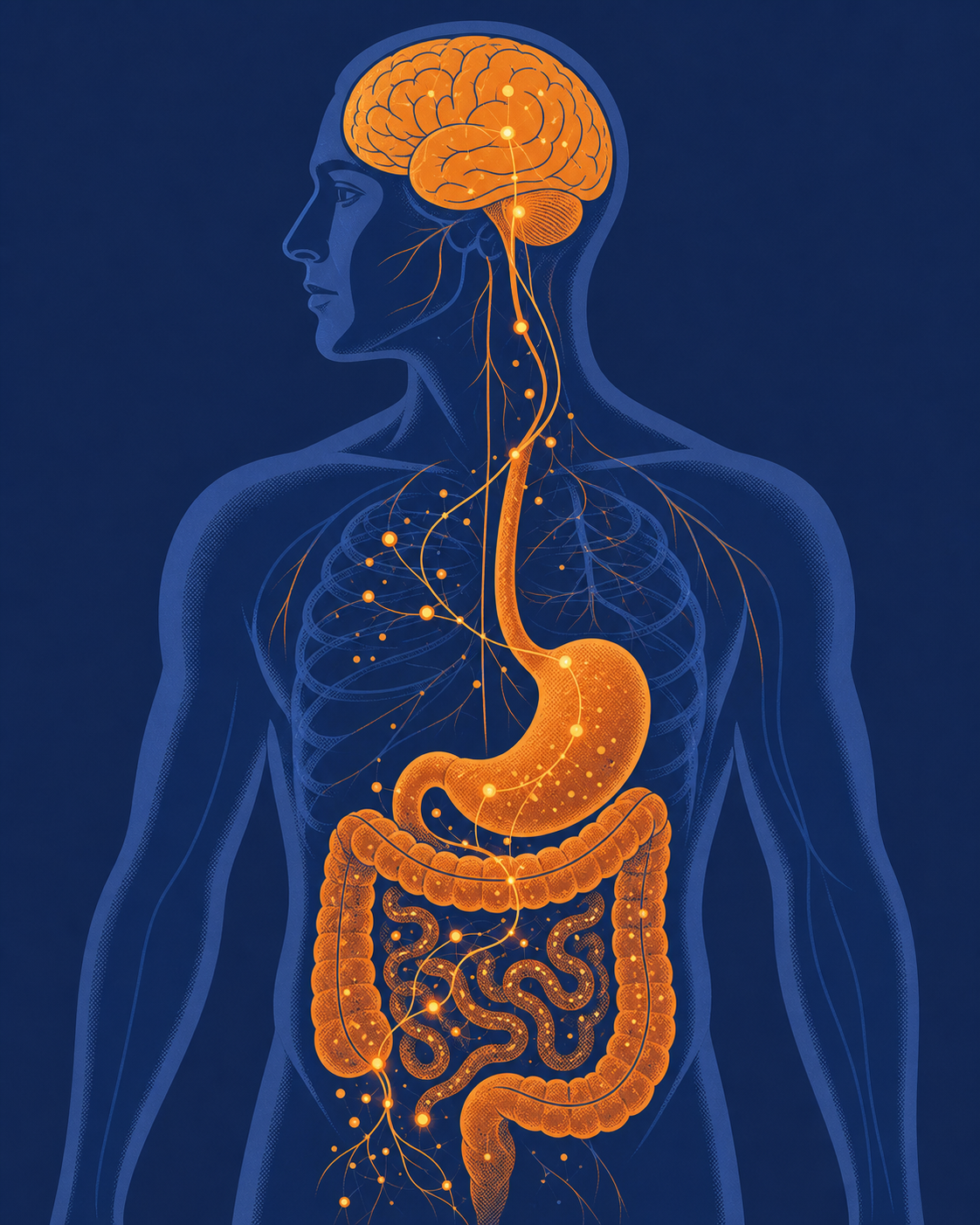
This treatment belongs to a class of prescription treatments that work by mimicking a hormone the gut naturally releases after eating. That hormone binds to receptors in the brain, which reduces appetite and the desire to eat. At the same time, it slows gastric emptying (the rate at which food moves out of the stomach), so fullness lasts longer after a meal. Together, these two effects make it easier to eat less without relying on willpower alone. The treatment is delivered by injection, with the dose gradually increased over several months to help the body adjust before reaching the maintenance level. Because it works through a biological pathway and does not stimulate the central nervous system, it has a different side-effect profile than older weight loss treatments.
How Long It Takes for This Treatment to Start Working
Some people notice reduced appetite within the first few days of a starting dose, though when treatment results typically appear takes longer to show up on the scale. Treatment starts low and increases gradually over several months to help the body adjust.
Dose Titration Schedule
A licensed healthcare provider gradually raises the dose over several months until reaching the maintenance level. During this ramp-up, most people notice gradual changes and should not expect a dramatic early drop.
| Phase | What to Expect |
|---|---|
| Starting phase | Lowest starting dose; appetite changes may be subtle, and GI side effects are most likely at this stage |
| Early titration | Dose increased under provider guidance; nausea may spike briefly, then settle |
| Mid titration | Continued dose increases; appetite suppression becomes more noticeable |
| Near maintenance | Dose nearing target level; meaningful weight loss typically building |
| Maintenance | Target dose reached; sustained results measured in clinical research |
Your provider may slow this schedule if side effects are significant, since the goal is tolerability, not speed.
Average Weight Loss Timeline
Here is a general timeline of what research shows for average body weight lost, based on information from Drugs.com and GoodRx:
| Time on treatment | Average weight lost |
|---|---|
| 3 months | about 6% of body weight |
| 6 months | about 11% of body weight |
| 16 months | about 16% of body weight |
Individual results vary based on genetics, dose tolerance, and consistency, so treat these numbers as general reference points. A licensed provider can help set realistic expectations based on your health history and response during early treatment.
Month-by-Month Milestones
- Weeks 1-4: Appetite may feel different even at the starting dose, but scale changes are minimal during this period, which is normal and expected.
- Months 2-4: Dose increases continue and appetite suppression becomes more consistent. Some people notice clothes fitting differently before the scale reflects larger changes.
- Months 5-12: The most meaningful, cumulative weight loss builds during this stretch as the body adjusts to the maintenance dose.
- Beyond 12 months: Weight loss typically stabilizes but is maintained as long as treatment continues under provider guidance.
How Long You Take Wegovy for Weight Loss
Reaching the Maintenance Dose
There is no fixed end date for this treatment; duration is a clinical decision made with a licensed healthcare provider based on your health history, how the body responds, and your long-term weight goals. For most people, reaching the maintenance dose alone takes several months, since the dose is raised gradually to improve tolerability.
Long-Term Treatment as an Ongoing Commitment
Meaningful, consistent weight loss continues to build well beyond that point, with research showing average losses of about 11% of body weight at six months and roughly 16% at sixteen months. Because the appetite-suppressing effect depends on staying on treatment, most clinical guidelines treat this as a long-term intervention and not a short course, similar to how blood pressure or cholesterol treatment is managed over years, not weeks. Your licensed healthcare provider will periodically review your progress to assess whether continuing, adjusting, or eventually tapering treatment makes sense for your situation.
What Clinical Research Shows About Continued Use
STEP 1 Trial Results
The STEP 1 trial, published in the New England Journal of Medicine in 2021, found that participants using this prescription treatment at the maintenance level lost an average of 14.9% of body weight over 68 weeks, compared with 2.4% in the placebo group, a meaningful difference that held across diverse patient profiles.
Two-Year Extension Findings
A two-year extension of that research, published in Diabetes, Obesity and Metabolism in 2022, confirmed that weight loss continued to accumulate through the first year of treatment and then stabilised, with no reversal seen in people who remained on treatment. Importantly, the research shows that the benefit of continued treatment is largely a function of staying on it: participants who maintained their dose held their weight loss, while those who were switched to placebo began regaining. For most people, that means the treatment functions as an ongoing intervention and not a finite course. These findings align with how licensed healthcare providers approach duration in practice; instead of setting a fixed end date, they monitor your response over time and adjust the plan as your health goals evolve.
What Happens When You Stop Taking Wegovy
Biological Effects After Stopping
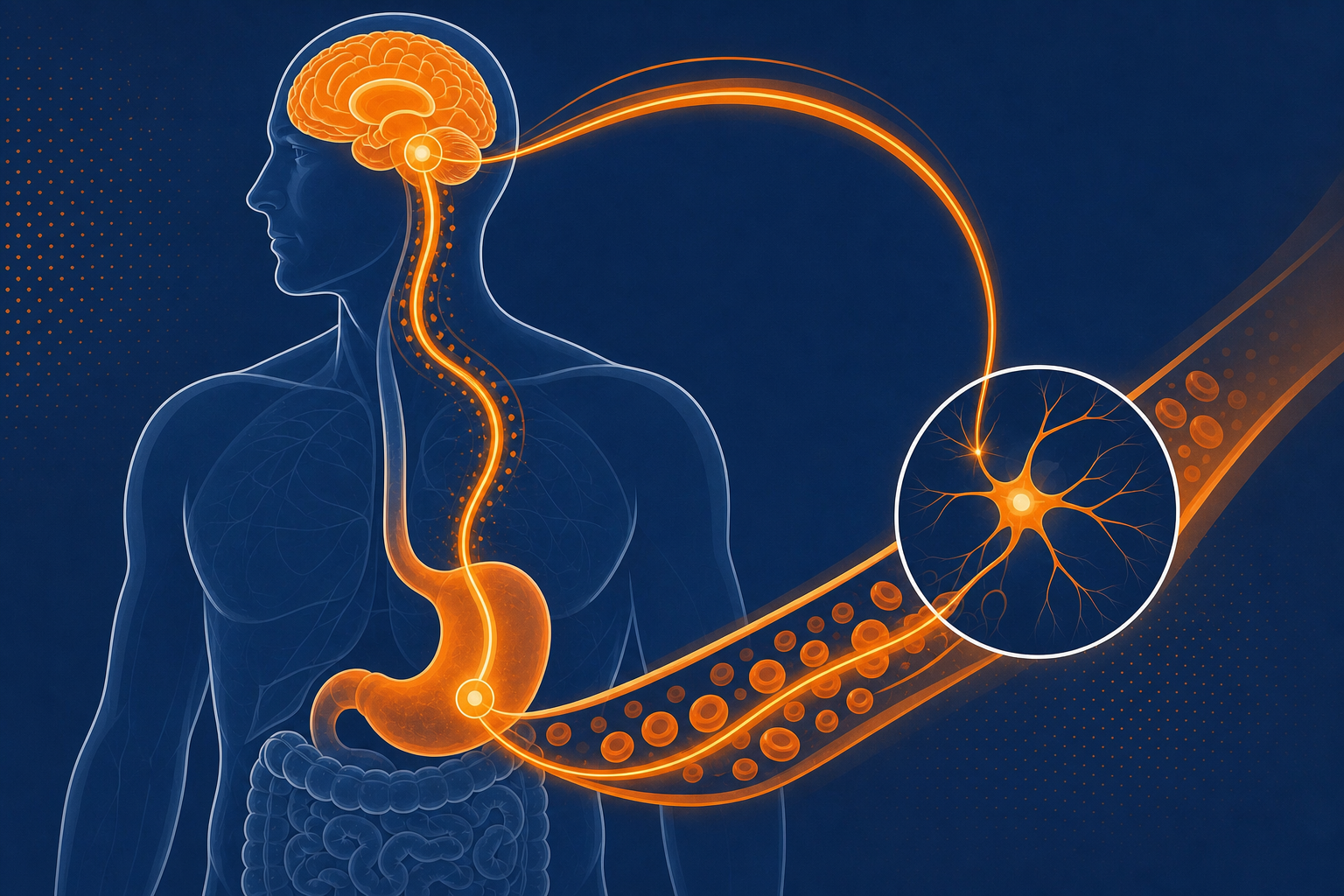
Once you stop treatment, the appetite-suppressing effect fades over time, and hunger cues typically return to their prior pattern. Digestion also normalizes, since the effect on gastric emptying (how fast food moves through the stomach) wears off. This is a biological response, not a reflection of willpower.
Weight Regain Data
Some research suggests that people regain an average of around 60% of their lost weight within a year of stopping. Research from the University of Cambridge indicates that individuals may still keep off roughly 25% of the weight lost beyond that initial regain period, so stopping does not necessarily mean returning to the original starting weight entirely.
Managing the Transition Off Treatment
The body changes after stopping weight loss treatment can vary, and stopping abruptly versus stopping with provider guidance can look different in practice. A licensed healthcare provider may recommend a gradual taper or a follow-up plan to help manage appetite changes and monitor your progress, as opposed to ending treatment all at once. Any decision about pausing, adjusting, or stopping treatment should go through a licensed healthcare provider first, since they can review your health history and help you understand what to expect based on your situation.
Side Effects to Know During Long-Term Treatment
Common Gastrointestinal Side Effects
Most side effects during extended treatment show up early and tend to fade as the body adjusts to each dose increase. A week-by-week side effect guide can help set expectations for what to watch for. These commonly include:
- Nausea
- Vomiting
- Diarrhea
- Constipation
- Abdominal pain
For most people, these symptoms ease within the first few weeks of a new dose level. If they persist or worsen, flag them with your provider instead of pushing through on your own.
Boxed Warning and Thyroid Tumor Risk
Beyond gastrointestinal symptoms, longer treatment carries less common but more serious risks. Gallbladder problems and pancreatitis have both been reported, and this treatment class carries a boxed warning regarding thyroid tumor risk, based on findings in animal studies.
A boxed warning is the FDA's most serious warning designation, reserved for risks that need clear, upfront disclosure. The thyroid tumor risk was seen in rodent studies at higher doses, and it is not currently known whether this risk applies to humans. People with a personal or family history of medullary thyroid carcinoma (MTC) or Multiple Endocrine Neoplasia syndrome type 2 (MEN 2) should not use this treatment class. Tell your provider about any neck swelling, hoarseness, or difficulty swallowing so they can evaluate it promptly.
Regular check-ins with a licensed healthcare provider matter throughout treatment, from the very start and well beyond. They can watch for warning signs, adjust your plan if needed, and help you weigh risks against progress.
None of this is meant to discourage treatment. It gives you a full picture so conversations with your provider are grounded in facts, not guesswork.
Lifestyle Habits That Support Results on Wegovy
Treatment works best alongside lifestyle changes, not instead of them. A licensed provider typically pairs your plan with guidance on diet, movement, sleep, and stress, since these habits work with the treatment's effect on appetite and reinforce it. Progress is not always a straight line, and weight-loss plateaus and their causes are common during longer stretches of treatment, which is exactly where these habits make the biggest difference.
Diet. With appetite reduced, the food consumed needs to work harder. A nutrient-dense, protein-forward diet helps preserve muscle while losing fat, and smaller portions are easier to manage when hunger cues are already quieter.
Exercise. A mix of cardio and strength training matters here. Cardio supports overall calorie balance, while strength training during medical weight loss protects lean muscle, something that matters more the longer you stay on treatment.
Sleep. Sleep and weight gain in men are closely linked: poor sleep disrupts hunger hormones and can work against appetite control. Consistent, adequate sleep supports the same systems the treatment targets.
Stress management. Chronic stress raises cortisol, which can drive cravings and disrupt eating patterns. Managing it through movement, routine, or rest supports steadier results.
These habits matter most during longer stretches of treatment, and they double as the best defence against regain if treatment ever stops.
Accessing Weight Loss Treatment Online in Canada
Canadian digital health clinics make it possible to start weight loss treatment without visiting a clinic in person. The process begins with a secure online health assessment (a short questionnaire covering your health history, current conditions, and weight loss goals) that a licensed Canadian healthcare provider reviews to determine whether treatment is clinically appropriate for you. No referral from a family doctor is required, and there are no video calls or waiting rooms involved. If treatment is approved, your prescription is filled through a licensed Canadian pharmacy and shipped in plain, discreet packaging, typically arriving within a few days. Ongoing support happens through text-based messaging, so you can follow up with your provider as your dose increases or if side effects come up, with the same clinical oversight you would expect from in-person care, available from home. For Canadians in provinces where weight loss treatment is available, this model removes a common barrier to getting started: the friction of booking, waiting, and traveling to appointments.
Final Thoughts on How Long You Take Wegovy for Weight Loss
Treatment timelines vary, and that is by design. The body needs time to adjust, your dose increases gradually, and meaningful weight loss builds over months, not weeks. Staying connected with a licensed healthcare provider throughout gives you the best shot at results that hold.
FAQ
How long do you take this treatment for weight loss before seeing results?
Most people notice reduced appetite within the first few days, but meaningful weight loss typically takes longer. Research shows an average of about 6% of body weight lost by the three-month mark. For most people, treatment spans many months to reach the maintenance dose, with the most meaningful results appearing around the 16-month mark at roughly 16% of body weight lost.
How long do you have to stay on treatment to keep the weight off?
Most people need to stay on treatment long-term to maintain results, since the appetite-suppressing effect fades once you stop. Some research suggests people regain an average of around 60% of lost weight within a year of stopping, which is why duration of use is a clinical decision best made with a licensed healthcare provider and not treated as a fixed endpoint.
What should you do if you miss a dose of Wegovy?
If your next scheduled weekly dose is more than 2 days away, take the missed dose as soon as you remember. If the next dose is within 2 days, skip the missed dose and resume your regular schedule without doubling up. Never take two doses to make up for a missed one, as this increases the risk of side effects. If you find yourself missing doses frequently, contact your licensed healthcare provider to review your plan.
Who is Wegovy prescribed for?
This treatment is typically prescribed for adults with a BMI of 30 or higher, or a BMI of 27 or higher alongside a weight-related condition such as high blood pressure, type 2 diabetes, or elevated cholesterol. Eligibility is confirmed by a licensed healthcare provider based on your full health history, including any conditions or treatments that could affect suitability.
What happens to your body when you stop taking Wegovy for weight loss?
When you stop, hunger cues return to their previous pattern and digestion normalises, which is a biological response and not a sign of failure. Some studies suggest an average of around 60% of lost weight returns within a year, though University of Cambridge research suggests roughly 25% of the original weight lost may still be maintained beyond that initial regain period.
Can you get a weight loss prescription online in Canada without visiting a doctor in person?
Yes. Canadian telehealth services connect you with licensed healthcare providers who review a secure online health assessment and, if treatment is clinically appropriate, issue a prescription delivered directly to your door. No in-person appointment, referral, or pharmacy visit is needed, and the same clinical standards apply as with traditional care.
What lifestyle habits support long-term weight loss results during treatment?
A protein-forward diet, a mix of cardio and resistance training, consistent sleep, and stress management all work with the treatment's effect on appetite, not against it. These habits matter most during longer stretches of treatment and serve as the strongest defence against weight regain if treatment ever stops.
References
- GoodRx. Wegovy weight loss data. https://www.goodrx.com/wegovy
- Drugs.com. Wegovy dosage and average weight loss timeline data.
- Wadden TA, et al. Once-Weekly Semaglutide in Adults with Overweight or Obesity (STEP 1 trial). New England Journal of Medicine, 2021. https://www.nejm.org/doi/full/10.1056/NEJMoa2032183
- Rubino D, et al. Two-year extension of the STEP 1 trial. Diabetes, Obesity and Metabolism, 2022.
- University of Cambridge. Research on weight regain patterns after stopping GLP-1 receptor agonist treatment.
This blog post is for educational purposes only and does not constitute medical or other professional advice. Your specific circumstances should be discussed with a healthcare provider. All statements of opinion represent the writers' judgement at the time of publication and are subject to change. Phoenix and its affiliates provide no express or implied endorsements of third parties or their advice, opinions, information, products, or services.

Recommended Articles

Tirzepatide vs Semaglutide: What to Know
Understand how tirzepatide and semaglutide work, how Health Canada reviewed each, and what providers consider before prescribing either.

How to Get Ozempic Online in Canada
Learn how to get Ozempic online in Canada in 2026. Telehealth clinics offer private GLP-1 assessments with licensed Canadian providers.

Ozempic Online in Canada: What to Know in 2026
Order Ozempic online in Canada through a licensed healthcare provider. See pricing for brand and generic semaglutide, and how the assessment works.