
Last Longer in Bed: What Actually Works
- Jump to a Section:
Your partner hasn't said anything, but you're still counting seconds in your head and wondering if you're the only one dealing with this. Turns out you're not, and the gap between what feels like a problem and what's actually considered typical is often smaller than you'd think. What matters more than the worry is knowing which behavioral techniques, habits, and products are backed by real evidence, so you can figure out what's worth your time and what isn't.
TLDR:
- Median sex length runs 5.4 minutes, so many men who feel rushed are near average
- Stop-start and squeeze techniques train arousal control over a few weeks of practice
- A 12 week pelvic floor program raised ejaculation time from 31.7 to 146.2 seconds
- Stress, poor sleep, and smoking all speed arousal response and reduce control
- Licensed healthcare providers can assess and treat PE clinically
How Long Does Sex Usually Last
Most men searching this have never seen a real number to compare themselves against, just a sense that something feels off.
Researchers measure timing with intravaginal ejaculation latency time, or IELT: the interval from penetration to ejaculation, tracked by stopwatch, not guesswork. A multinational study timing couples across several countries found a median IELT of 5.4 minutes, ranging from about 33 seconds to over 44 minutes.
Falling near or below that median often still sits within normal variation. Many men who feel rushed are actually close to average once they measure instead of estimate under pressure.
Why You Might Not Last As Long As You Want
Early ejaculation usually comes from a mix of factors, not one single cause. Performance anxiety and everyday stress heighten arousal sensitivity, which makes it harder to slow the response down once things get going. Nervousness with a new partner, or a long gap since the last time you had sex, can also push arousal past the point of control faster than usual. Ejaculatory timing may be partly influenced by serotonin activity in the brain, and some research suggests men with lower sensitivity along that pathway reach the threshold sooner. Habits formed during early masturbation, especially a pattern of rushing to finish, can carry into partnered sex later on. Relationship tension or worry about a partner's satisfaction feeds the same cycle, since added pressure typically makes timing worse, not better.
There are two broad types worth knowing about. Lifelong PE has been present since your first sexual experiences. It is more often tied to a naturally lower threshold for triggering the ejaculatory reflex, sitting toward one end of a normal range of variation between men. Acquired PE develops later, after a period of typical ejaculatory control, and is more often linked to stress, relationship changes, a new health condition, or a side effect of a prescription. The distinction matters for how you approach it. Lifelong PE tends to respond well to behavioral training. Acquired PE often improves once the underlying trigger is identified and addressed directly.
Behavioral Techniques To Delay Ejaculation
Two techniques come up again and again in clinical guidance for delaying ejaculation, and both work by training you to recognize and manage arousal before the point of no return.
Stop-Start Method
- Begin stimulation, alone or with a partner.
- Bring your arousal to roughly 7 or 8 out of 10, close to the point of no return but not there yet.
- Stop all stimulation completely.
- Wait 20 to 30 seconds, until the urge fades to around a 4 or 5.
- Resume stimulation.
- Repeat this cycle 3 to 4 times before allowing ejaculation.
Practicing solo first, before bringing the technique into partnered sex, tends to work better since it removes performance pressure while you learn your own arousal cues.
Squeeze Technique
- Begin stimulation.
- At roughly 8 out of 10 arousal, stop or signal your partner to stop.
- Firmly squeeze the head of the penis between your thumb and forefinger for 10 to 20 seconds.
- Release and wait about 30 seconds.
- Resume stimulation and repeat the cycle 3 to 4 times before ejaculation.
Both techniques often show noticeable improvement with a few weeks of consistent practice, though results vary by individual.
Pelvic Floor Exercises Build Ejaculatory Control
The muscles that stop your urine mid-stream are the same ones involved in ejaculatory control. Find them by pausing your flow next time you urinate. That muscle, the pubococcygeus, is what you will train.
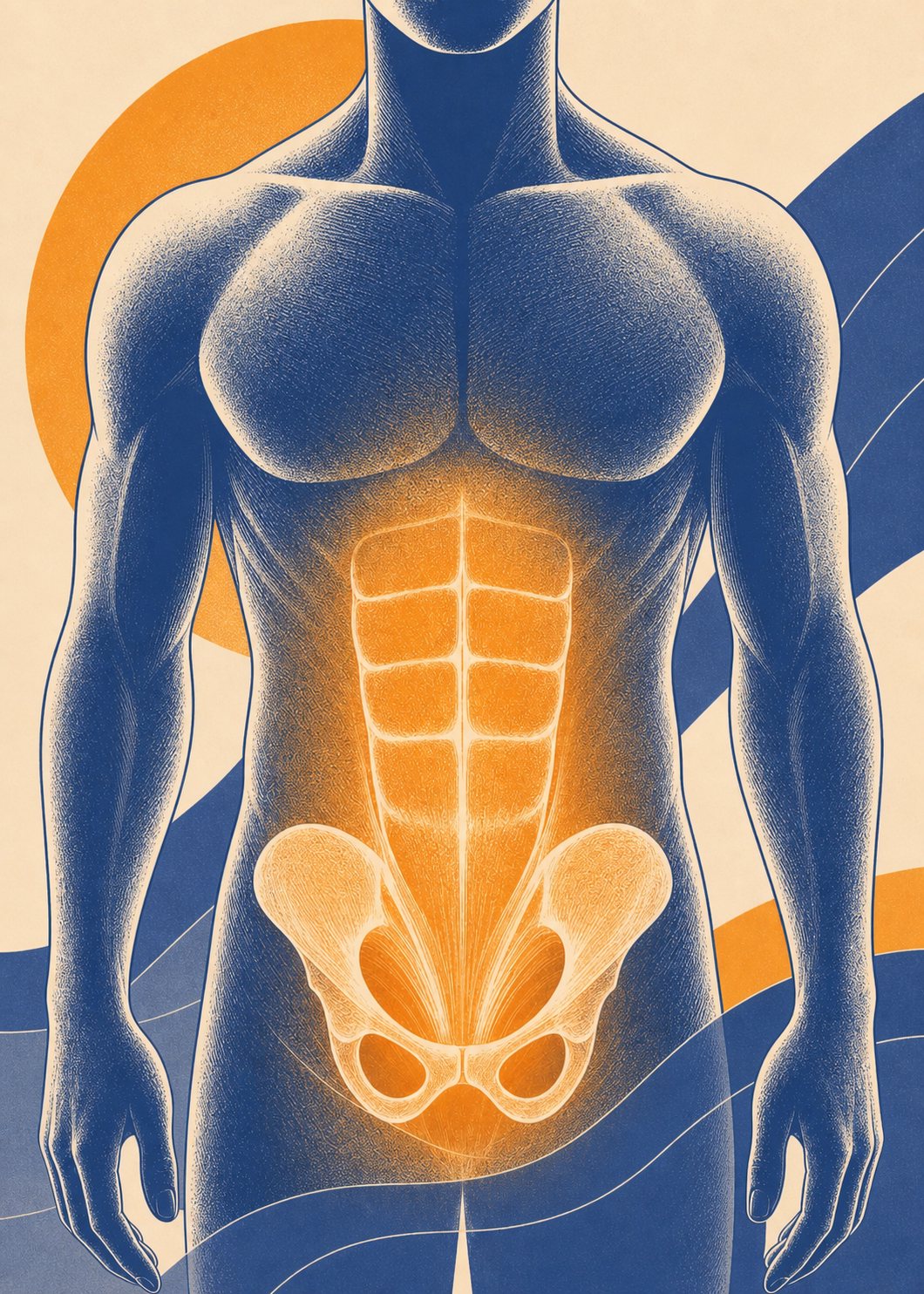
A basic routine:
- Contract for 5 seconds, release for 5 seconds
- Repeat 10 to 15 reps, three times daily
- Increase hold time as the muscle strengthens
- Practice lying down, sitting, and standing once the contraction feels natural
A 12 week program in men with lifelong premature ejaculation raised average ejaculation time from 31.7 to 146.2 seconds, with 33 of 40 men improving. Overdoing contractions will not speed progress and may just fatigue the muscle.
Foreplay And Masturbation Timing Strategies
Extending foreplay moves the focus of an encounter away from penetration, which is usually where time runs out fastest. More touch, oral sex, or manual stimulation beforehand means less pressure once penetration begins.
Some research suggests partners often need closer to 10 to 20 minutes of stimulation to reach orgasm, and penetration alone may frequently not be enough on its own. Starting with oral or manual stimulation before penetration can help both partners finish satisfied. If ejaculation happens sooner than you wanted, use the recovery window to keep pleasuring your partner manually or orally before going again. The second round tends to last longer, which takes some pressure off the first.
Masturbating a few hours before partnered sex may work through a channel: it can raise the stimulation needed to reach ejaculation the second time, so some men last longer with a partner. Timing varies, some men find one to two hours enough.
Treat both as short-term tools, not permanent fixes. Tolerance builds and results vary with stress and arousal.
Positions And Pacing That Help You Last Longer
Position and pace change how much direct stimulation you get, which affects how fast arousal builds.
Some positions naturally reduce friction and depth, giving you more room before things escalate:
- Side by side positions typically reduce depth and let both partners control the pace together.
- Positions where you control the angle and depth tend to work better than ones with deep, rapid penetration.
- Being on top lets you set the pace instead of reacting to it.
Speed matters as much as position. Slower, shallower thrusting keeps arousal from spiking too fast, while fast or deep thrusting pushes you toward the edge quickly. Pausing movement for 10 to 20 seconds when you feel close, then resuming slowly, works like the stop start method built into the rhythm of sex itself. Switching positions during a pause doubles as a reset, giving you a break without ending the moment.
Products That Can Help You Last Longer
Over the counter products work by cutting sensation, not by fixing what causes early ejaculation. That distinction matters when deciding what to try first.
| Product Type | How It Works | Key Consideration | Best For |
|---|---|---|---|
| Desensitizing condoms | Mild numbing agent (usually benzocaine or lidocaine) built into the latex | Effects last only for the encounter and wash off with the condom | Men who want a no-prep option with contraceptive or STI protection built in |
| Topical delay sprays and creams | Similar numbing ingredients at higher strength, applied a few minutes before sex | Wipe off excess before penetration to avoid transferring numbness to a partner | Men who prefer not to use condoms or want stronger desensitization |
| Thicker lubricants | Reduce friction instead of sensation | Helps pace without any numbing agent | Men sensitive to numbing ingredients, or couples who want reduced friction without a numbing effect |
Watch for skin irritation or allergic reaction, especially with latex sensitivities. These products manage a single encounter only.
Lifestyle Habits That Affect Sexual Stamina
Daily habits shape arousal and control just as much as any technique. A few factors carry most of the weight.

- Stress and anxiety: Stress may raise cortisol, which can heighten arousal sensitivity and speed the body's response during sex. Worry about finishing early can create a cycle that makes it happen faster.
- Sleep: Poor sleep and weight gain in men go hand in hand, and poor sleep may also disrupt testosterone production and leave you more reactive to stimulation. Consistent sleep supports steadier arousal over time.
- Alcohol and smoking: Heavy drinking can dull sensation short term but may disrupt nerve signaling with regular use. Smoking is linked to reduced blood flow tied to both erections and timing.
- Fitness and weight: Aerobic exercise improves circulation and nervous system regulation. Aim for 20 to 30 minutes of moderate cardio, such as running, cycling, or swimming, three to four times a week as a starting target. Compound lower-body moves like lunges and squats strengthen the hip flexor and groin muscles that work alongside your pelvic floor. Regular groin stretches help improve range of motion. Being overweight lowers testosterone and reduces blood flow, so staying active supports both stamina and hormonal health.
Changes build over weeks as sleep, fitness, and stress shift together, not overnight. Low testosterone after 40 can compound these effects on arousal and control.
Premature Ejaculation Versus Erectile Dysfunction
Premature ejaculation and erectile dysfunction get lumped together, but they describe different problems. PE means ejaculation happens sooner than you or your partner would like. Erectile dysfunction treats difficulty getting or keeping an erection firm enough for sex.
The two can overlap. Some men develop PE as a reaction to ED, rushing to finish before an erection fades. Others experience only one condition.
PE affects an estimated 30% to 40% of people with a penis at some point in their lives, according to Cleveland Clinic, so this is rarely an isolated problem. A licensed healthcare provider can help sort out which condition applies to your situation.
Prescription Treatments A Provider May Discuss
When behavioral techniques alone are not enough, a licensed healthcare provider has additional prescription options to discuss with you.
- Prescription-strength topical numbing treatments: These are applied briefly before sex and wiped off before penetration. A licensed healthcare provider will guide you on how and when to apply them based on your situation.
- Oral prescription treatments: Taken daily or shortly before sexual activity, depending on what a provider recommends. The format and timing are decisions your licensed healthcare provider makes based on a clinical assessment, not a one-size-fits-all approach.
- Combined approaches: Some men benefit from pairing a prescription treatment with counseling or sex therapy. This is often worth discussing when the issue developed later in life rather than being lifelong, since psychological and relationship factors may play a bigger role in those cases.
See the section below on professional treatment for how to access these options through a licensed healthcare provider.
When To Seek Professional Treatment
If self-help techniques have not worked after a few weeks of consistent practice, or if early ejaculation is causing distress or straining a relationship, it is worth bringing in a licensed healthcare provider. A clinical evaluation typically covers how long the issue has been present, whether it happens in every situation, and other factors like stress or relationship dynamics. Understanding the difference between Cialis and Viagra may also come up if ED is part of the picture. From there, a provider may recommend counseling, sex therapy, prescription treatment, or a combination. Online healthcare in Ontario must meet the same standard as an in-person visit, and providers often screen for erectile dysfunction too, since the two conditions often overlap.
How Online Men's Health Clinics Support Lasting Longer
Men's online health clinics connect Canadian men with licensed healthcare providers for PE and ED assessment.
FAQ
How long does sex typically last for most men?
The median intravaginal ejaculation latency time across multinational research is 5.4 minutes, ranging from about 33 seconds to over 44 minutes. Many men who feel they finish too quickly are actually close to the statistical average once they measure instead of estimate under pressure.
What's the fastest way to last longer in bed naturally without medication?
The stop-start and squeeze techniques are the most evidence-backed options; see the behavioral techniques section above for details. Pelvic floor training runs a close second, with most participants improving within a 12-week period.
How do pelvic floor exercises help you last longer in bed?
Pelvic floor exercises strengthen the pubococcygeus muscle, which plays a direct role in ejaculatory control. It is the same muscle you contract to stop urine mid-stream. A basic routine of 10 to 15 contractions held for 5 seconds, repeated three times daily, builds the muscular endurance needed to delay ejaculation over time.
Can lifestyle habits like sleep and smoking affect how long you last in bed naturally?
Some evidence suggests yes. Poor sleep may disrupt testosterone production and increase reactivity to stimulation, while smoking is linked to reduced blood flow tied to both erections and ejaculatory timing. Stress may raise cortisol, which can heighten arousal sensitivity and create a feedback loop that makes early ejaculation more likely.
Should I see a licensed healthcare provider for premature ejaculation or try behavioral techniques first?
Start with behavioral techniques if the issue is mild and not causing serious distress. Most men see meaningful improvement within a few weeks of consistent practice. If self-help methods have not worked after that period, or if the issue is affecting your relationship or confidence, a licensed healthcare provider can assess whether prescription treatment, counseling, or a combined approach fits your situation.
Final Thoughts On How To Last Longer In Bed
Your timing in bed isn't fixed, it responds to practice, pacing, and a few candid conversations with your body. Techniques like the stop start method and pelvic floor exercises take a few weeks to show results, so give them a fair shot before judging progress. Lifestyle habits like sleep and stress management quietly shape your stamina too. If you're still struggling after consistent effort, a licensed healthcare provider can help you find the right next step.

Recommended Articles

Understanding Food Noise and Why Willpower Isn't the Fix
Explore the real causes of food noise and natural strategies to quiet it. Updated with the latest insights as of October 2026.

What Is Medically Supervised Weight Loss?
Find out how medically supervised weight loss combines provider oversight with ongoing support for lasting results.

A Realistic Weekly Weight Loss Rate for Men
Guide to healthy weight loss speed for men, covering plateaus, waist size tracking, and doctor warning signs.