
Absolute Neutrophilia: High ANC Causes
- Jump to a Section:
A high neutrophil count on a blood test is one of those results that looks alarming but usually isn't. Neutrophils are the front-line infection fighters of the immune system, so when something stresses the body, they go up. Understanding what pushed the count higher, and when it actually warrants a follow-up, makes that flagged result a lot less scary.
TLDR:
- Absolute neutrophilia means your ANC exceeds 7,000 cells per microliter, typically from infection, steroids, or smoking.
- A high neutrophil count rarely signals cancer on its own; infection and inflammation explain most high results.
- Neutropenia (ANC below 1,500) requires urgent care if fever develops, as infection defences are compromised.
- Doctors treat the underlying cause, not the count itself, so two people with the same result may follow different paths.
What Is Absolute Neutrophilia?
Absolute neutrophilia means your absolute neutrophil count, or ANC, sits above the normal upper limit. Neutrophils are a type of white blood cell that fights bacterial infections, and the ANC measures the actual number of these cells in your blood, not their share of your total white blood cells.
In adults, a typical ANC ranges between 2500 and 7000 neutrophils, and values above that are generally classified as neutrophilia.1 The ICD 10 code for absolute neutrophilia (D72.829) simply flags a high ANC on your record, without explaining the cause.
Absolute vs. Relative Neutrophilia
Relative neutrophilia shows up when the neutrophil percentage looks high on a lab report, even though the actual count stays within normal limits. This usually happens when another white cell type, often lymphocytes, drops, shifting percentages without changing how many neutrophils actually circulate.
That distinction matters. Absolute neutrophilia points to a real increase in infection fighting cells. Relative neutrophilia with lymphopenia can instead reflect stress or a viral illness suppressing lymphocytes, without any true rise in neutrophils themselves.
Leukocytosis, a broad term for a high total white blood cell count, adds another layer. Leukocytosis with absolute neutrophilia means neutrophils are the main driver of that high total, while leukocytosis from lymphocytes or monocytes points toward different causes.
Neutrophil Normal Range: What the Numbers Mean
A Phoenix blood test with differential gives two neutrophil numbers. The percentage shows what share of white blood cells are neutrophils, while the absolute neutrophil count multiplies the total white blood cell count by that percentage, making it the more reliable figure for diagnosis.
For healthy adults, the normal range typically falls between 2,500 and 7,000 neutrophils per microliter, with females often showing slightly higher lower limits. Since ranges vary by lab, compare the result against normal ANC reference ranges.
Common Causes of High Neutrophils
Most cases of high neutrophils trace back to something ordinary. The most frequent causes are a current or recent bacterial infection, physical stress, steroid medication, or smoking.
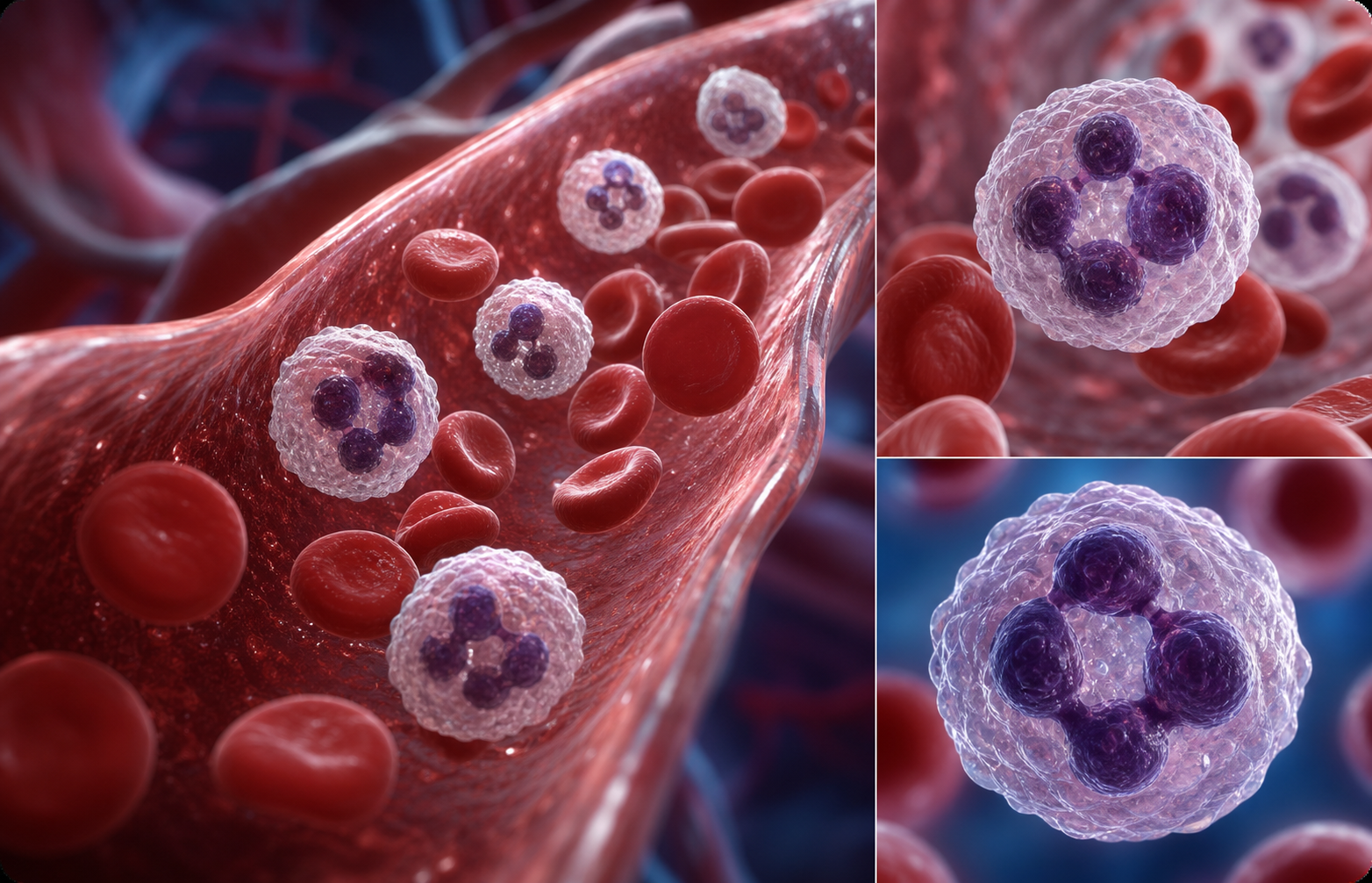
Other drivers include:
- Inflammation from injury, surgery, or chronic conditions
- Pregnancy, which naturally raises white blood cell counts
- Bone marrow disorders that overproduce neutrophils
A mild bump after a workout differs from a sharp rise paired with fever or fatigue. Sometimes monocytes rise alongside neutrophils, a recognized pattern called leukocytosis with absolute neutrophilia and monocytosis, and clinicians typically look at both cell lines together, not one number alone.
Symptoms Associated With High Neutrophils
A high neutrophil count rarely causes symptoms on its own. What you feel comes from the trigger, whether that's an infection, injury, or another condition.
Mild, temporary bumps often bring mild signs:
- Low grade fever
- Localized redness or swelling
- Tiredness that fades once the trigger clears
See a doctor if you notice:
- Fever lasting several days
- Fatigue that doesn't improve with rest
- Unexplained weight loss
- Night sweats
Together, these symptoms call for medical evaluation, not home tracking.
What Causes Low Neutrophils (Neutropenia)?
Neutropenia means an absolute neutrophil count below 1,500 cells per microliter,2 raising infection risk. Causes include viral infections, certain medications, vitamin deficiencies, autoimmune conditions, and bone marrow problems. Chronic stress and stress eating can also contribute to immune system disruption over time.
Mild cases often cause no symptoms. Severe neutropenia weakens infection defenses, causing frequent infections, mouth sores, fever, and fatigue.
Below 500 cells per microliter, the body struggles to defend against ordinary bacteria. At that level, fever requires immediate hospitalization and antibiotics.3
Lymphocytes Low, Neutrophils High: What It Means Together
Neutrophils rising while lymphocytes fall counts as one combined signal, often tied to acute bacterial infection, corticosteroid use, or physical stress. Men who are overweight may also show altered immune markers worth reviewing. Normal lymphocyte counts run between 1,000 and 4,800 cells per microliter, or 20 to 40 percent of total white blood cells. When lymphocytes drop as neutrophils climb, clinicians may calculate the neutrophil-to-lymphocyte ratio, a marker used for risk stratification.4
When High Neutrophils Are Linked to Cancer
A high neutrophil count on its own rarely points to cancer. Infection, inflammation, and stress explain most high results, and conditions like obesity and sleep apnea are recognized drivers of chronic low-grade inflammation in men. Most people with high neutrophil counts never receive a cancer diagnosis.
Research has connected neutrophil counts to certain cancers, including gastric, nasopharyngeal, urinary tract, lung, and ovarian cancer, but this relates to prognosis after diagnosis, not screening.
An oncology referral typically follows a pattern:
- Neutrophil counts staying high without infection
- Other abnormal blood cell lines alongside high counts
- Unexplained weight loss, night sweats, or fatigue
- Extreme counts with immature blood cell forms
What Cancers Cause Low Neutrophils?
Low neutrophils and high neutrophils point to different processes, so treat this as a separate question. Leukemia, lymphoma, and myelodysplastic syndromes can crowd out or damage the bone marrow where neutrophils are made, dragging counts down instead of up, usually alongside other abnormal findings.
Cancer treatment is the more common link. Chemotherapy is the best known cause of drug induced neutropenia, and radiation to the bone marrow can suppress production too.
A low neutrophil count by itself is not a sign of cancer for most people. Viral infections, certain medications, and vitamin deficiencies cause neutropenia far more often.
How Doctors Diagnose and Assess Neutrophilia
A single high ANC rarely leads straight to a diagnosis. Doctors follow a systematic approach: find the underlying cause first, then treat that cause and not the count itself. The workup typically starts with:
- A repeat complete blood count to confirm the result isn't a one time fluctuation
- A review of recent infections, illness, or physical stress
- A medication check, since steroids and other drugs can raise counts
- A peripheral blood smear checking cell shape and maturity
High platelet count with high WBC and high neutrophils often points toward an inflammatory process, while monocytes absolute high alongside neutrophils can suggest chronic infection. Men over 40 may also show raised inflammatory markers worth investigating alongside the ANC. Immature cells on the smear may prompt a bone marrow evaluation.
Treatment of Neutrophilia: Treating the Underlying Cause
Neutrophilia doesn't have a single fix, because the count itself is a signal, not a diagnosis. Doctors often treat the underlying cause and not the number itself, so two people with the same high count can end up on different paths.
Treatment depends on the driver:
- Infections typically resolve once antibiotics or antivirals clear the illness
- Inflammatory causes, like autoimmune conditions, improve as inflammation gets managed
- Medication driven cases, often tied to steroids, may resolve once the drug is adjusted
Inflammatory markers can shift with age, which may be relevant context.
Severe cases linked to myeloproliferative disorders may need cytoreductive therapies, leucopheresis, immunotherapy, or transplantation.
How to Lower Neutrophils Naturally Through Diet and Lifestyle
A high neutrophil count signals an underlying process, not a diagnosis. Persistent or extreme levels still require medical review, since some causes need specific treatment beyond diet.
When neutrophilia ties to everyday stress or inflammation, these habits can help:

- Eat more vegetables, fruit, fatty fish, and whole grains while cutting processed and sugary foods
- Stay hydrated, since dehydration concentrates white blood cells in circulation
- Prioritize sleep, since poor sleep and weight gain in men are linked to ongoing inflammation that can keep neutrophil counts elevated
- Reduce stress through breathing exercises and light activity
- Avoid smoking, which keeps neutrophil counts elevated
These steps support the body while a licensed healthcare provider identifies the cause.
How to Increase Neutrophils When They Are Low
Severe or treatment-induced cases, common after chemotherapy, may require medical intervention to help bone marrow resume normal production. A licensed healthcare provider can assess the appropriate treatment path.
Low folate, vitamin B12, or copper can slow white blood cell production, so correcting these deficiencies under medical guidance can support recovery.
Monitor mild, stable cases at home. Seek urgent care for fever, chills, or infection signs, since severe neutropenia limits the body's defences against ordinary bacteria.
Getting Complete Blood Testing Through Online Men's Health Care
A flagged neutrophil result rarely tells the full story alone. A broader picture of immune and metabolic health can help put that number in context.
Phoenix is a men's online health clinic that connects Canadian men with licensed healthcare providers.
Final Thoughts on Absolute Neutrophilia and Neutropenia
High or low neutrophil counts are common findings, and most turn out to have routine causes. The number on a lab report is a starting point, not a diagnosis. Tracking trends over time and reviewing results with a licensed healthcare provider gives the count the context it actually needs.
FAQ
What is a high neutrophil count, and when does absolute neutrophilia become a concern?
A high neutrophil count means the absolute neutrophil count (ANC) sits above 7,000 cells per microliter in most adults. Mild neutrophilia after an infection, physical stress, or steroid use is common and typically resolves on its own, but counts that stay persistently high without a clear cause, especially alongside other abnormal cell lines or symptoms like unexplained weight loss and night sweats, warrant medical review.
What is the difference between absolute vs relative neutrophilia?
Absolute neutrophilia means the ANC exceeds normal limits; relative neutrophilia means only the percentage is high while the count stays within range. See the Absolute vs. Relative Neutrophilia section above for full detail.
Should I worry about low neutrophils, and what cancers cause low neutrophils?
Low neutrophils, or neutropenia, is worth taking seriously when the ANC drops below 1,500 cells per microliter, since infection risk rises. For most people, viral infections, certain medications, or vitamin deficiencies are the cause, and cancer is far less common, but conditions like leukemia, lymphoma, and myelodysplastic syndromes can crowd out bone marrow and drag counts down, typically alongside other abnormal findings on a complete blood count.
I have high neutrophils and high WBC: how do I lower neutrophils naturally?
When neutrophilia ties to everyday inflammation or stress, eating more vegetables, fatty fish, and whole grains while cutting processed foods, staying hydrated, making sleep a priority, reducing stress, and avoiding smoking can all support a lower inflammatory baseline. These habits work alongside medical care, not as a replacement for it, since persistent or extreme counts still need a doctor to rule out an underlying cause like a bacterial infection, bone marrow disorder, or chronic inflammatory condition.
How do I get a blood test for neutrophils and white blood cell count without a family doctor referral?
Men's online health clinics, including Phoenix in Canada, connect you with licensed healthcare providers who can order lab testing covering white blood cell differentials and biomarkers, inflammation markers, and 50+ other biomarkers without requiring a referral from a family doctor. Results are reviewed by a licensed healthcare provider who delivers a personalized clinical summary, not a raw list of numbers.
References
- StatPearls, NCBI Bookshelf. Neutrophilia: clinical overview. National Library of Medicine. 2024.
- Rout P, Ahuja A. Neutropenia: clinical overview. StatPearls, NCBI Bookshelf. National Library of Medicine. 2024.
- Saleh M, Bhatt H. Febrile Neutropenia. StatPearls, NCBI Bookshelf. National Library of Medicine. 2023.
- Howard R, et al. Neutrophil-to-lymphocyte ratio and cancer prognosis. Scientific Reports. 2019.
- Shokane LL, et al. G-CSF use in neutropenia management. PMC. 2023.

Recommended Articles

Ozempic Online in Canada: What to Know in 2026
Order Ozempic online in Canada through a licensed healthcare provider. See pricing for brand and generic semaglutide, and how the assessment works.

What Makes GLP-1 Different for Men
GLP-1 treatment works differently in men. Key factors like muscle loss, side effects, and Canadian access options explained.

Online Weight Loss Programs in Canada: What to Know Before You Start
Considering an online weight loss program in Canada? Learn how medical weight management works, eligibility, costs, safety and what to look for.