
Viagra and Cialis Combined: Risks and Facts
- Jump to a Section:
Most men who ask about combining Viagra and Cialis aren't trying to push limits, they're just frustrated that one prescription isn't cutting it. There's actually some clinical research on this specific situation, and what it shows is more specific than a simple yes or no.
TLDR:
- Taking two PDE5 inhibitor prescriptions together stacks the same blood vessel effect, raising side effect risk without adding benefit.
- Official labelling warns against combining PDE5 inhibitors, and no approved tablet blends the two into one product.
- A 2014 study in Andrologia found a combined approach helped some severe ED cases, but only under direct medical supervision.
- Men taking nitrates, alpha-blockers, or with heart conditions face higher risk and should consult a licensed healthcare provider before any change.
How Viagra and Cialis Work
Sildenafil and tadalafil both belong to a class of prescriptions called PDE5 inhibitors. They work through the same biochemical pathway, blocking an enzyme called phosphodiesterase type 5. This enzyme normally breaks down a compound that helps blood vessels relax and widen.
Blocking PDE5 lets blood vessels in the penis relax and fill with blood more easily, which is what makes an erection possible when sexual stimulation occurs. Neither treatment creates arousal on its own. Stimulation is still required for the process to start, and ED treatments support the body's natural response once that stimulation happens. For a detailed breakdown of the underlying physiology, NIH StatPearls on PDE5 inhibitors covers the full mechanism.
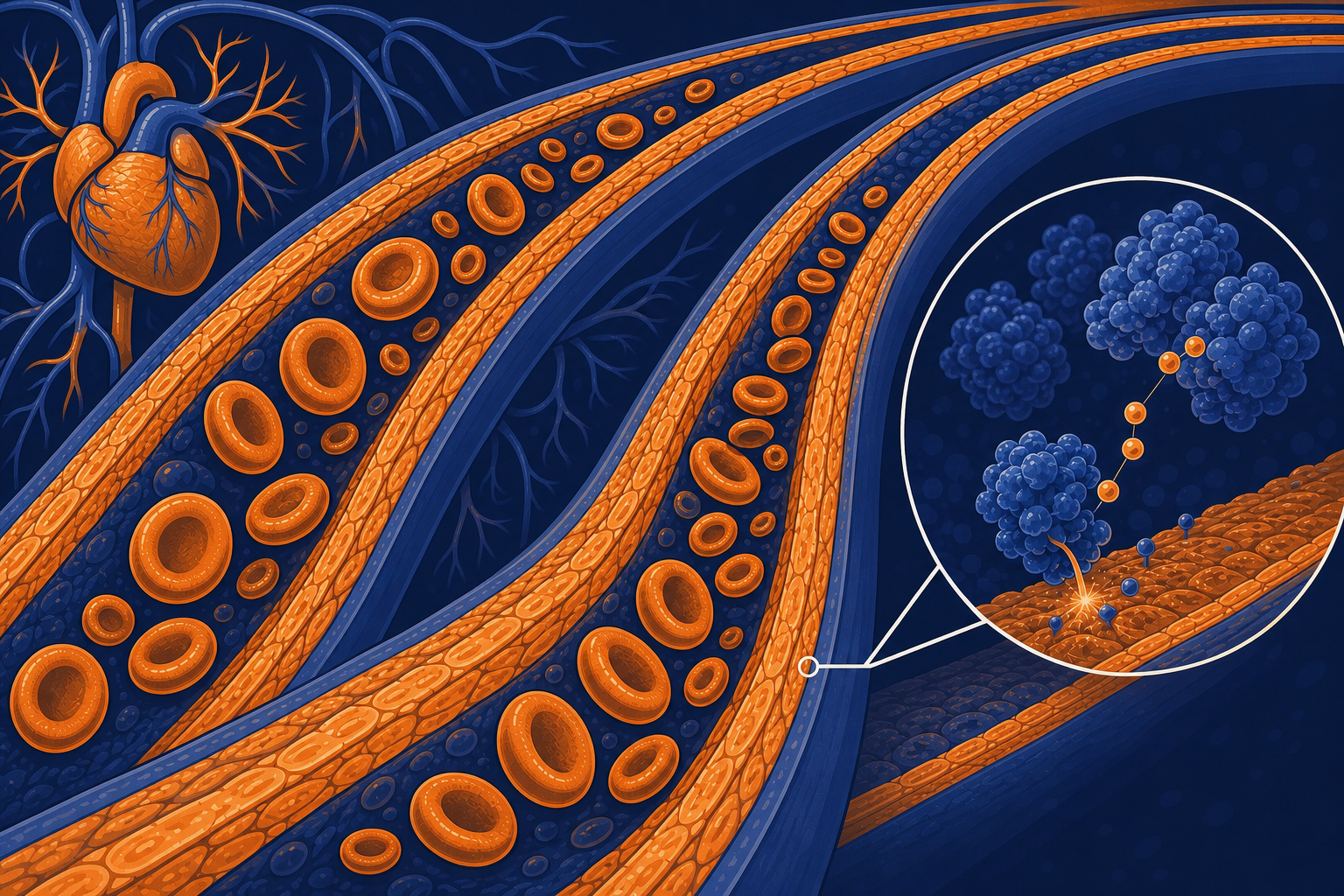
Erectile dysfunction often ties back to reduced blood flow, which is the factor these treatments work around. Since both treatments act on the identical enzyme pathway, taking them together does not create two separate effects. It means doubling up on the same mechanism, which is why combining them raises real medical concerns without offering added benefit.
Key Differences Between Viagra and Cialis
The most practical difference between the two options is how long each one stays active in the body. According to prescribing information, the as-needed option typically takes effect within 30 to 60 minutes and remains active for roughly four to six hours, which makes it a natural fit for men who prefer to take a prescription close to when they anticipate sexual activity. The longer-acting option has a considerably longer window, generally cited as up to 36 hours in prescribing literature, so men who are sexually active multiple times over a day or two often find it fits their routine without the need to time a prescription precisely. The longer-acting option is also approved in some jurisdictions at a lower continuous dose for men managing both erectile dysfunction and symptoms of an enlarged prostate, which may give it a dual clinical role that the as-needed option does not share. Side effects for both are generally similar (headache, flushing, and nasal congestion are the most commonly reported), though the longer-acting option's extended half-life means any side effects that do occur can persist longer. Neither one is categorically more effective than the other; individual response varies, and a licensed healthcare provider can help determine which option suits your health history and lifestyle.
Can You Take Viagra and Cialis Together?
Combining sildenafil and tadalafil is not something most clinical guidance supports. Because both act on the same PDE5 pathway, the difference between Cialis and Viagra does not translate into added benefit when stacking them.
Official labeling for these prescriptions warns against use with other PDE5 inhibitors, noting that the safety and effectiveness of that combined approach have not been confirmed. That warning applies whether the two are taken at the same time, hours apart, or on the same day in smaller doses. No approved product blends the two into one.
If a standard prescription is not giving you the results you expect, that is worth a conversation with a licensed healthcare provider, not a reason to combine treatments on your own. A provider can review your health history and adjust dosage or switch prescriptions within a single PDE5 inhibitor, staying within tested and approved guidelines.
Why Some Men Consider Combining Them
Some men who ask about combining sildenafil and tadalafil are not looking for an edge. They are dealing with severe erectile dysfunction causes and risk factors that have not responded well to a single prescription, and using just one option alone has left them frustrated.
This scenario is where combination approaches actually got studied, not in general practice but among specialists managing cases that did not respond to standard treatment. Some clinical research, including a study published in Andrologia in 2014, suggests that a combination approach, pairing a continuous low-strength prescription with an as-needed second prescription, may improve erectile function scores compared to a single continuous prescription alone, with no clear difference in adverse event rates reported between groups.
That finding describes a narrow clinical scenario, not a general recommendation. It involved a specific tadalafil prescription paired with sildenafil used only as needed, under direct medical supervision, not two men swapping notes about stacking full-strength prescriptions on their own. If a standard prescription is not working, that is a conversation for a licensed healthcare provider, not something to test alone.
Risks and Side Effects of Combining
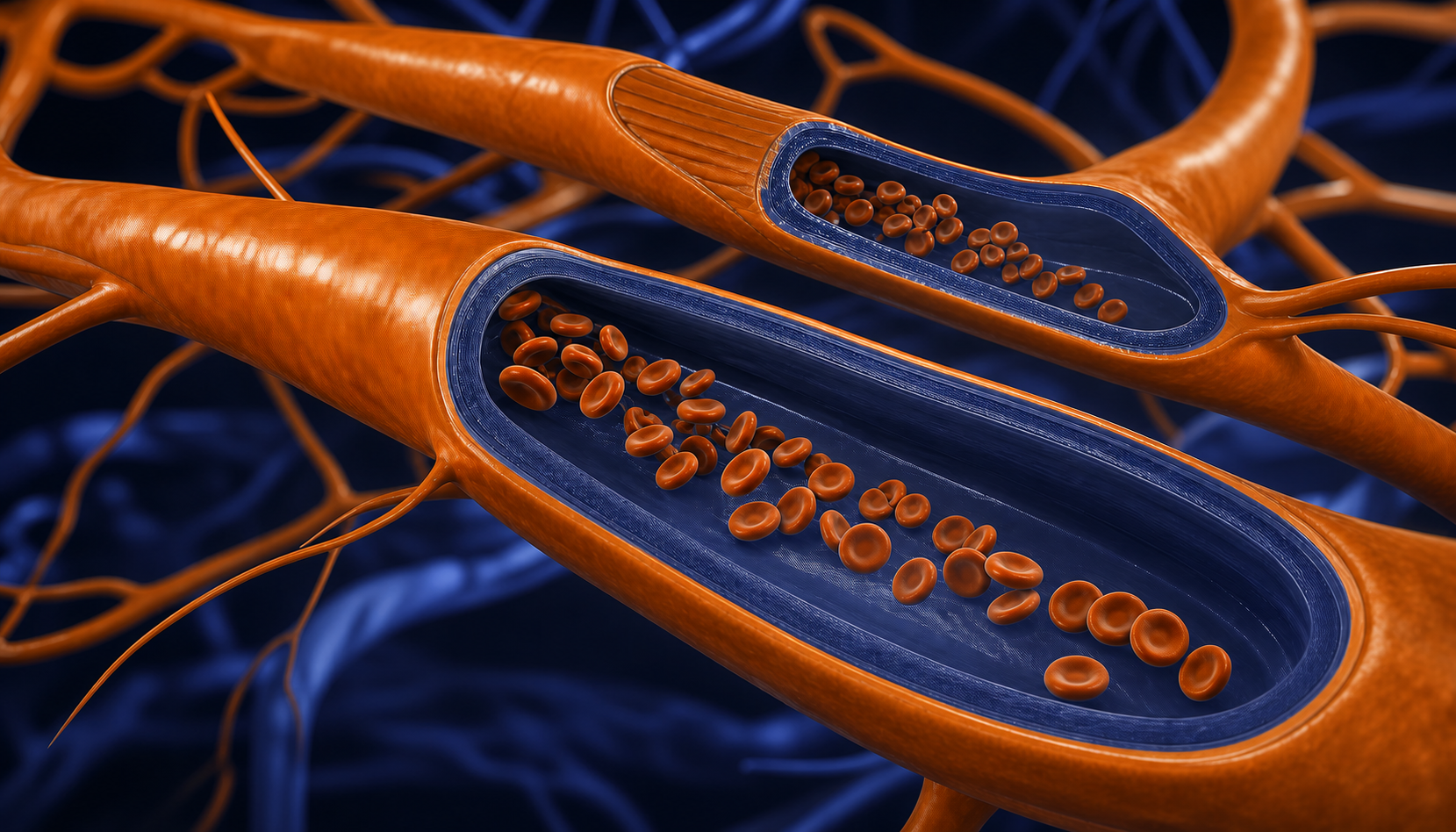
The most serious risk of combining these two treatments is excessive blood pressure reduction. Both relax the smooth muscle in blood vessel walls through the same PDE5 pathway, so taking them together amplifies that effect beyond what either one produces alone. This can cause dizziness or fainting. In men with underlying cardiovascular disease, it may cause a dangerous drop in blood pressure requiring emergency care. Headache, facial flushing, and nasal congestion are among the most commonly reported side effects of either treatment on its own, and stacking them may raise both the likelihood and the severity of these effects. Vision disturbances and, in rare cases, a sudden decrease in vision or hearing have been reported with PDE5 inhibitors; any combination that raises the amount circulating in your system also raises the risk of those rare but serious events. Because the effects of one option can persist well into the following day, taking the other option the same day means the effects overlap unpredictably, in ways that are difficult to predict and that no large-scale clinical trial has assessed for safety in a general population.
Drug Interactions and Who Should Not Combine Them
Certain groups face a much higher risk if they combine PDE5 inhibitors, and a few should avoid the combination entirely.
Talk to a licensed healthcare provider before considering any combination if you fall into one of these groups:
- You take nitrates for chest pain or heart conditions. Combining a PDE5 inhibitor with nitrates can cause a sharp drop in blood pressure. For a broader overview, ED medication online in Canada explains where and how to get help.
- You use an alpha-blocker for high blood pressure or an enlarged prostate. Both relax blood vessels, so stacking them raises the risk of dizziness or fainting.
- You take certain antibiotics or antifungal treatments that slow how the body clears PDE5 inhibitors, raising the amount circulating in your system.
- You manage pulmonary hypertension, often treated with treatments that already affect the same blood vessel pathway.
- You have advanced heart disease, a recent stroke, or uncontrolled blood pressure.
Give your provider a full list of what you currently take, including anything over the counter, since interactions are not always obvious from the label.
What to Do When ED Treatments Are Not Working
If a prescription is not delivering the results you expected, the first step is to revisit the details with a licensed healthcare provider instead of adjusting on your own. Dosage is one of the most common factors: both options are each available at more than one strength, and moving to a higher dose within the approved range is sometimes all it takes to produce a reliable response. Timing matters too: the as-needed option works best when taken 30 to 60 minutes before sexual activity on an empty or light stomach, and men who take it after a heavy meal sometimes find the onset delayed or the effect reduced.
If you have tried adjusting timing and dose without improvement, switching to the other PDE5 inhibitor is a reasonable next step, since individual response to these treatments varies and some men respond more consistently to one than the other. It is also worth reviewing other prescriptions you are taking, since certain antibiotics and antifungal treatments slow how quickly the body clears PDE5 inhibitors and can amplify side effects, while others in your regimen may be limiting effectiveness. Underlying factors like cardiovascular health, diabetes, or psychological contributors such as anxiety can all blunt how well any prescription performs, and a licensed healthcare provider can assess whether those factors warrant attention alongside the prescription itself.
How to Choose Between Viagra and Cialis
Choosing between sildenafil and tadalafil comes down to how each fits your routine, not which one performs better.
Sildenafil pricing in Canada is worth reviewing for men who prefer taking a prescription only when they anticipate sexual activity. This as-needed option fits a shorter window, so if you like planning around a specific occasion and want your prescription out of your system afterward, this option often fits more naturally.
The longer-acting option tends to suit men who want flexibility without timing everything around a four to six hour window. It stays active longer, which appeals to men who are sexually active multiple times per week.
Your health history, current medications, and the underlying cause of your ED all factor into what a licensed healthcare provider recommends, and that recommendation may shift as your circumstances change.
Getting ED Treatment in Canada Through Phoenix
Erectile dysfunction affects an estimated 49.4% of Canadian men aged 40 to 88, according to the Canadian Urological Association guideline on ED, yet many still put off getting care because of the discomfort tied to an in-person clinic visit. That gap between how common ED is and how few men seek treatment reflects the kind of friction that keeps a manageable condition unmanaged, and it contributes to a broader access problem: more than 6.5 million Canadians currently have no regular care provider.
Phoenix is a men's online health clinic that connects Canadian men with licensed healthcare providers for confidential ED assessments.
Final Thoughts on Choosing Between Sildenafil and Tadalafil
Sildenafil and tadalafil each fit different routines, and neither one needs a partner prescription. If the one you are using is not delivering what you expected, the answer is a conversation with a licensed healthcare provider, not a second prescription on top of it. Small adjustments within a single treatment often make a bigger difference than you might expect.
FAQ
Can you take Viagra and Cialis together on the same day?
Taking sildenafil and tadalafil together on the same day, whether simultaneously or hours apart, is not supported by clinical guidance. Both act on the identical PDE5 enzyme pathway, so combining them stacks the same blood vessel-widening effect without adding separate benefits, raising the risk of side effects like a sharp drop in blood pressure. If a single prescription is not delivering the results you expect, a licensed healthcare provider can review your dosage or switch your prescription within tested guidelines.
What is the difference between Viagra and Cialis for erectile dysfunction?
One option fits a shorter window and suits men who prefer taking a prescription before a specific occasion, while the other stays active considerably longer and fits men who want flexibility without precise timing. The core mechanism is the same for both: they are PDE5 inhibitors, and a licensed healthcare provider can explain how each one, sildenafil or tadalafil, may fit your situation. The duration of action and how each fits your routine are the main practical distinctions. Your health history and any current prescriptions also factor into which option a provider would recommend.
Tadalafil vs sildenafil: which is safer for men with heart conditions or on other medications?
Neither is categorically safer than the other; both carry the same serious interaction risk with nitrates, which can cause a dangerous drop in blood pressure, and both require caution alongside alpha-blockers. The safety profile for an individual man depends on his specific health history, current prescriptions, and the underlying cause of his ED, not which PDE5 inhibitor he chooses. A full medication review with a licensed healthcare provider is the only reliable way to determine which option, if any, is appropriate for your situation.
Is there a discreet way to get a Cialis or Viagra prescription in Canada without an in-person clinic visit?
Men's online health clinics in Canada connect you with licensed healthcare providers through a confidential online assessment, with no waiting room and no in-person appointment required. If a prescription for sildenafil, tadalafil, or vardenafil is clinically appropriate based on your health history, it ships in plain, unbranded packaging from a licensed Canadian pharmacy. Providers remain available through secure messaging afterward for any follow-up questions about fit or side effects.
When should you consider alternating between Cialis and Viagra instead of stacking them?
Alternating between these two treatment options on separate occasions, instead of combining them on the same day, carries fewer risks than taking both together, but it still warrants guidance from a licensed healthcare provider before you try it. The more practical step if one prescription is underperforming is to discuss adjusting the dose or switching entirely, since both treatments work through the same pathway and individual response varies. A provider can also rule out underlying factors like cardiovascular health or medication interactions that may be limiting how well either prescription works for you.

Recommended Articles

Canada Generic Semaglutide: Men's Weight Loss Options
Find out which generic semaglutide brands cover weight loss in Canada, what they cost, and how to get assessed. September 2026.

The Complete Guide to Discreet Online ED Treatment in Canada
Get discreet online ED treatment in Canada, August 2026. Licensed providers, PHIPA-compliant privacy, and plain-packaged home delivery. - Aug 28, 2026

Does Minoxidil Cause Weight Gain in Men?
Oral minoxidil and weight gain: it's fluid, not fat. Learn why it happens and how a provider can help you manage it. August 2026.